Biblical Campsite
Rephidim in the Bible
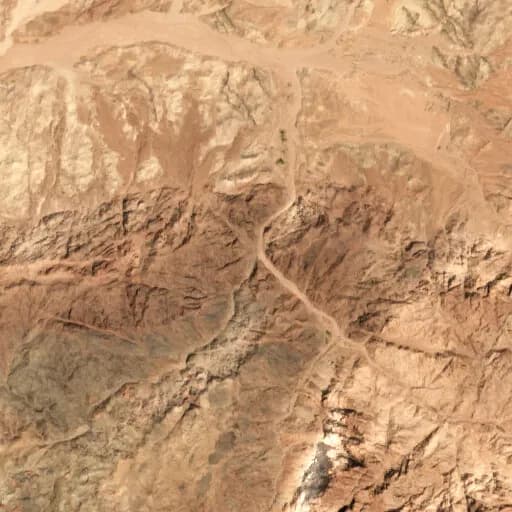
Rephidim is a campsite mentioned in 5 verses across 2 books of the Bible. Known today as Wadi Rufaiyil.
Verses
5
Books
2
Confidence
Moderate
Coordinates
28.6231, 33.8803
Map
Loading map...
Key Verses About Rephidim
“by their journeys”Exodus 17:1 (KJV)
“Then came Amalek”Exodus 17:8 (KJV)
“and had come to the wilderness of Sinai”Exodus 19:2 (KJV)
“and encamped in Rephidim”Numbers 33:14 (KJV)
“and encamped in the wilderness of Sinai.”Numbers 33:15 (KJV)
What Does “Rephidim” Mean?
רְפִידִים (Rᵉphîydîym, Hebrew) — “rests”
Rephidim, a place in the Desert
H7508 in Strong's Concordance →What the Commentators Say
“Chapter 17 Chapter Outline The Israelites murmur for water at Rephidim, God sendeth it out of the rock.(1-7) Amalek overcome, The prayers of Moses.(8-16) **Verses 1-7** The children of Israel journeyed according to the commandment of the Lord, led by the pillar of cloud and fire, yet they came to a place where there was no water for them to drink. We may be in the way of duty, yet may meet with troubles, which Providence brings us into, for the trial of our faith, and that God may be glorified in our relief. They began to question whether God was with them or not. This is called their "tempting God," which signifies distrust of him after they had received such proofs of his power and goodness. Moses mildly answered them. It is folly to answer passion with passion; that makes bad worse. God graciously appeared to help them. How wonderful the patience and forbearance of God toward provoking sinners! That he might show his power as well as his pity, and make it a miracle of mercy, he gave them water out of a rock. God can open fountains for us where we least expect them. Those who, in this wilderness, keep to God's way, may trust him to provide for them. Also, let this direct us to depend on Christ's grace. The apostle says, that Rock was Christ, 1Co 10:4, it was a type of him. While the curse of God might justly have been executed upon our guilty souls, behold the Son of God is smitten for us. Let us ask and receive. There was a constant, abundant supply of this water. Numerous as believers are, the supply of the Spirit of Christ is enough for all. The water flowed from the rock in streams to refresh the wilderness, and attended them on their way towards Canaan; and this water flows from Christ, through the ordinances, in the barren wilderness of this world, to refresh our souls, until we come to glory. A new name was given to the place, in remembrance, not of the mercy of their supply, but of the sin of their murmuring: "Massah," Temptation, because they tempted God; "Meribah," Strife, because they chid with Moses. Sin leaves a blot upon the name.”
Matthew Henry's Concise Commentary on Exodus 17:1
“XVII. THE MURMURING AT REPHIDIM AND THE FIGHT WITH AMALEK. (1) **The children of Israel journeyed from the wilderness of Sin.**—The route by which Rephidim was reached is very uncertain. From El Markha there are three modes of reaching the Wady Feiran, where Rephidim is placed by most critics. One route (the shortest) is from the northern part of El Markha by Wady Shellal and Wady Magharah, where there was an important Egyptian settlement. This the Israelites would probably have avoided. Another, from the central part of El Markha, leads through the Wady Seih Sidreh to Magharah, and would, therefore, have been equally inconvenient. The third is circuitous, but has the advantage of being very open, and therefore suitable for a vast host. It passes through the whole of El Markha, and then, skirting the mountain, enters Wady Feiran at its south-western extremity. The probability seems on the whole to be that the Israelites pursued this last route. **After their journeys.**—We find from Numbers 33:12-13, that Rephidim was reached from the wilderness of Sin by three journeys—from Sin to Dophkah, from Dophkah to Alush, and from Alusb to Rephidim. The distance by the route which we have supposed the Israelites to have taken is about fifty miles. **Rephidim **means *rests, *or *resting-places, *and is an appropriate name for the central part of the Wady Feiran—the most fertile spot in the whole peninsula, where there is usually abundant water, rich vegetation, and numerous palm-trees. (Lepsius, *Tour from Thebes to Sinai, *pp. 21, 37; Stanley, *Sinai and Palestine, *pp. 40, 41.) According to Dean Stanley, “the oldest known tradition of the peninsula” identifies Rephidim with Paran—the seat of an early bishopric—undoubtedly the same word with Feiran. **There was no water.**—Though Feiran is usually watered by a copious stream, there have been occasions when the brook has been dried up. Graul found it dry in March, 1858. (Stanley, p. 40, Note 3.)”
Ellicott's Commentary for English Readers on Exodus 17:1
Bible Verses Mentioning Rephidim
Learn More
Nearby Biblical Places
Related Resources
Attribution
- Geographic data from OpenBible.info Bible Geocoding Data licensed under CC BY 4.0.
- Map tiles by OpenStreetMap contributors (ODbL 1.0).
- Image: Contains modified Copernicus Sentinel data 2019.