Biblical Settlement
Ramah 1 in the Bible
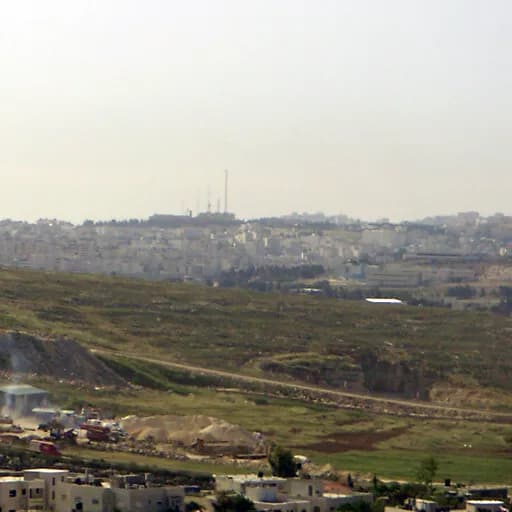
Ramah 1 is a settlement mentioned in 16 verses across 10 books of the Bible. Known today as Al Ram.
Verses
16
Books
10
Confidence
High
Coordinates
31.8543, 35.2316
Map
Loading map...
Key Verses About Ramah 1
“and Ramah”Joshua 18:25 (KJV)
“And she dwelt under the palm tree of Deborah between Ramah and Bethel in mount Ephraim: and the children of Israel came up to her for judgment.”Judges 4:5 (KJV)
“Come and let us draw near to one of these places; and we will lodge in Gibeah”Judges 19:13 (KJV)
“and built Ramah”1 Kings 15:17 (KJV)
“when Baasha heard of it”1 Kings 15:21 (KJV)
What the Commentators Say
“Chapter 18 Chapter Outline The tabernacle set up at Shiloh.(1) The remainder of the land described and divided.(2-10) The boundaries of Benjamin.(11-28) **Verse 1** Shiloh was in the lot of Ephraim, the tribe to which Joshua belonged, and it was proper that the tabernacle should be near the residence of the chief governor. The name of this city is the same as that by which Jacob prophesied of the Messiah, Ge 49:10. It is supposed by some that the city was thus called, when it was chosen for the resting-place of the ark, which typified our great Peace-maker, and the way by him to a reconciled God.”
Matthew Henry's Concise Commentary on Joshua 18:25
“(5) **She dwelt under the palm tree of Deborah.—**Similarly Abraham is said to have lived under the oak of Mamre (Genesis 14:13), and Saul under the pomegranate of Migron (1Samuel 14:2). “Such tents the patriarchs loved “(Coleridge). Dean Stanley (*Jewish Chron. *i. 318) draws a fine contrast between the triumphant “mother of Israel” (Judges 5 under her palm, full of the fire of faith and energy,and Judæa Captiva, represented on the coins of Titus as a weeping woman sitting under a palm-tree, “with downcast eyes and folded hands, and extinguished hopes.” The words “she dwelt” are literally *she was sitting, *which may merely mean that she took her station under this well-known and solitary palm when she was giving her judgment (comp. Psalm 9:3); just as St. Louis, under the oak-tree at Vincennes (Stanley, *Jewish Chron. *i. 218), and as Ethelbert received St. Austin and his monks under an oak. The tree won its name as the “Deborah palm” from her, and may also have originated the name Baal-Tamar, “the lord of the palm” (Judges 20:33). Near it was another very famous tree—Allon-Bachuth—the oak or terebinth of weeping; so called from the weeping at the burial of the other Deborah (Genesis 35:8), which is alluded to in 1Samuel 10:3, if the true reading there be “the oak of Deborah,” and not of Tabor, as Thenius conjectures. **Between Ramah and Beth-el.**—Both towns were on the confines of Benjamin and Ephraim (see Joshua 18:25; Joshua 16:2). **In mount Ephraim.**—The one secure spot in Palestine. (See Note on Judges 3:27.) The Chaldee prosaically amplifies this into “she lived in Ataroth (Joshua 15:2), having independent means, and she had palm-trees in Jericho, gardens in Ramah, olive-yards in the valley, a well-watered land in Bethel, and white clay in the king’s mount.” **Came up.**—A technical term for going before a superior (Numbers 16:12; Deuteronomy 25:7). Deborah, unlike the German Veleda—who lived in a tower, in awful seclusion—allowed the freest access to her presence as she sat beneath her palm.”
Ellicott's Commentary for English Readers on Judges 4:5
Bible Verses Mentioning Ramah 1
Learn More
Nearby Biblical Places
Related Resources
Attribution
- Geographic data from OpenBible.info Bible Geocoding Data licensed under CC BY 4.0.
- Map tiles by OpenStreetMap contributors (ODbL 1.0).
- Image: Soman.