Biblical Settlement
Iconium in the Bible
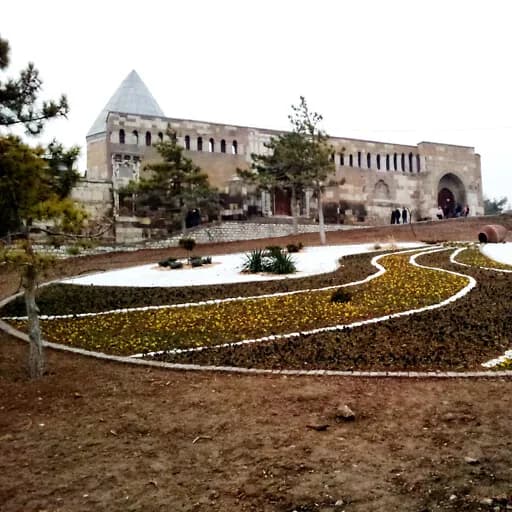
Iconium is a settlement mentioned in 6 verses across 2 books of the Bible. Known today as Konya.
Verses
6
Books
2
Confidence
Very High
Coordinates
37.8722, 32.4923
Map
Loading map...
Key Verses About Iconium
“and came to Iconium.”Acts 13:51 (KJV)
“and so spoke that a great multitude both of Jews and of Greeks believed.”Acts 14:1 (KJV)
“and having persuaded the multitudes”Acts 14:19 (KJV)
“and had made many disciples”Acts 14:21 (KJV)
“Which was well reported of by the brethren that were at Lystra and Iconium.”Acts 16:2 (KJV)
What Does “Iconium” Mean?
What the Commentators Say
“**Verses 42-52** The Jews opposed the doctrine the apostles preached; and when they could find no objection, they blasphemed Christ and his gospel. Commonly those who begin with contradicting, end with blaspheming. But when adversaries of Christ's cause are daring, its advocates should be the bolder. And while many judge themselves unworthy of eternal life, others, who appear less likely, desire to hear more of the glad tidings of salvation. This is according to what was foretold in the Old Testament. What light, what power, what a treasure does this gospel bring with it! How excellent are its truths, its precepts, its promises! Those came to Christ whom the Father drew, and to whom the Spirit made the gospel call effectual, Ro 8:30. As many as were disposed to eternal life, as many as had concern about their eternal state, and aimed to make sure of eternal life, believed in Christ, in whom God has treasured up that life, and who is the only Way to it; and it was the grace of God that wrought it in them. It is good to see honourable women devout; the less they have to do in the world, the more they should do for their own souls, and the souls of others: but it is sad, when, under colour of devotion to God, they try to show hatred to Christ. And the more we relish the comforts and encouragements we meet with in the power of godliness, and the fuller our hearts are of them, the better prepared we are to face difficulties in the profession of godliness.”
Matthew Henry's Concise Commentary on Acts 13:51
“(51) **They shook off the dust of their feet against them.**—The act was one of literal obedience to our Lord’s commands (see Note on Matthew 10:14), and may fairly be regarded as evidence that that command had come to the knowledge of Paul and Barnabas as well as of the Twelve. It was in itself, however, the language of a natural symbolism which every Jew would understand, a declaration that not the heathen, but the unbelieving and malignant Jews, were those who made the very dust on which they trod common and unclean. **And came unto Iconium.**—The journey to Iconium is passed over rapidly, and we may infer that it presented no opportunities for mission work. That city lay on the road between Antioch and Derbe at a distance of ninety miles south-east from the former city, and forty north-west from the latter. When the travellers arrived there they found what they probably had not met with on their route—a synagogue, which indicated the presence of a Jewish population, on whom they could begin to work. The city, which from its size and stateliness has been called the Damascus of Lycaonia, was famous in the early Apocryphal Christian writings as the scene of the intercourse between St. Paul and his convert Thekla. In the middle ages it rose to importance as the capital of the Seljukian sultans, and, under the slightly altered name of *Konieh, *is still a flourishing city. By some ancient writers it was assigned to Phrygia, by others to Lycaonia.”
Ellicott's Commentary for English Readers on Acts 13:51
Bible Verses Mentioning Iconium
Learn More
Nearby Biblical Places
Related Resources
Attribution
- Geographic data from OpenBible.info Bible Geocoding Data licensed under CC BY 4.0.
- Map tiles by OpenStreetMap contributors (ODbL 1.0).
- Image: Murat Feyzifar.