Biblical Hill
The Lord Will Provide in the Bible
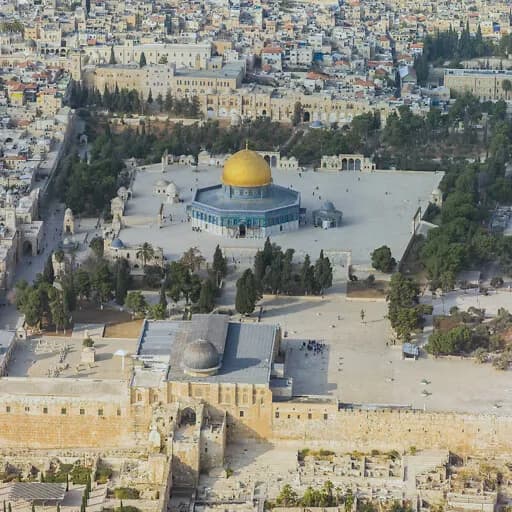
The Lord Will Provide is a hill mentioned in 1 verse across 1 book of the Bible. Known today as Mount Moriah.
Verses
1
Books
1
Confidence
Moderate
Coordinates
31.7778, 35.2356
Map
Loading map...
Key Verses About The Lord Will Provide
“Yahweh-Jireh”Genesis 22:14 (KJV)
What the Commentators Say
“**Verses 11-14** It was not God's intention that Isaac should actually be sacrificed, yet nobler blood than that of animals, in due time, was to be shed for sin, even the blood of the only begotten Son of God. But in the mean while God would not in any case have human sacrifices used, another sacrifice is provided. Reference must be had to the promised Messiah, the blessed Seed. Christ was sacrificed in our stead, as this ram instead of Isaac, and his death was our discharge. And observe, that the temple, the place of sacrifice, was afterwards built upon this same mount Moriah; and Calvary, where Christ was crucified, was near. A new name was given to that place, for the encouragement of all believers, to the end of the world, cheerfully to trust in God, and obey him. Jehovah-jireh, the Lord will provide; probably alluding to what Abraham had said, God will provide himself a lamb. The Lord will always have his eye upon his people, in their straits and distresses, that he may give them seasonable help.”
Matthew Henry's Concise Commentary on Genesis 22:14
“(14) **Jehovah-jireh.**—That is, *Jehovah will provide. *In Genesis 22:8, Abraham had said “Elohim-jireh,” *God will provide. *He now uses Jehovah as the equivalent of Elohim. It is added that hence arose a proverb “In the mount of the Lord it shall be seen,” or rather, *In the mount of Jehovah it shall be provided.*—The verb literally means *to see, *or, *to see to a thing, *and the sense of the proverb plainly is that in man’s necessity God will Himself see to it, and provide due help and deliverance. The Samaritan, Syriac and Vulg. have a better reading, namely, “In the mount Jehovah will provide.” This makes no change in the consonants, which alone are authoritative, but only in the vowels, which were added since the Christian era, and represent the tradition of the Jewish school of Tiberias. The LXX., without changing the vowels, translate, “In the mount Jehovah shall be seen,” which would be a prophecy of the manifestation of Christ. The other two renderings, besides their general proverbial sense, point onward to the providing upon this very spot of the sacrifice that was to take away the sins of the world (comp. Isaiah 53:5). But when and how did this grow into a proverb? and who added this note? It may have been inserted by Moses when he arranged these marvellous. documents; less probably by Ezra and the men of the Great Synagogue, when they collected and revised the several books of Holy Scripture after the exile. In either case, the proverb is a national testimony to the genuineness of the record, and proves that the facts narrated in it were so impressed upon the memory of Abraham’s descendants, as to shape their thoughts and language.”
Ellicott's Commentary for English Readers on Genesis 22:14
Bible Verses Mentioning The Lord Will Provide
Nearby Biblical Places
Related Resources
Attribution
- Geographic data from OpenBible.info Bible Geocoding Data licensed under CC BY 4.0.
- Map tiles by OpenStreetMap contributors (ODbL 1.0).
- Image: Godot13.