Biblical Spring
Marah in the Bible
Marah is a spring mentioned in 5 verses across 2 books of the Bible. Known today as Ain Hawarah.
Verses
5
Books
2
Confidence
Moderate
Coordinates
29.3460, 32.9428
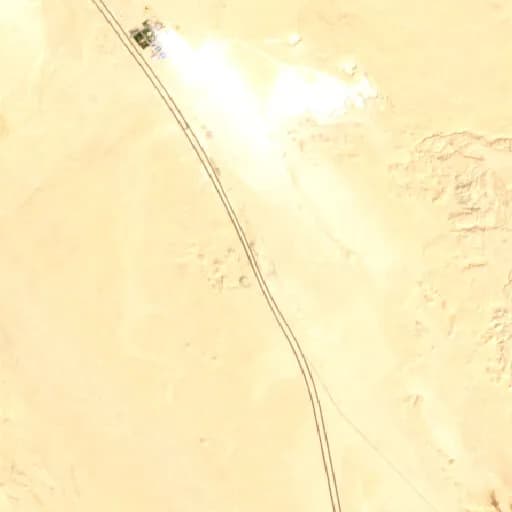
Map
Loading map...
Key Verses About Marah
“they couldn't drink from the waters of Marah”Exodus 15:23 (KJV)
“and he threw it into the waters”Exodus 15:25 (KJV)
“where there were twelve springs of water”Exodus 15:27 (KJV)
“and passed through the midst of the sea into the wilderness: and they went three days' journey in the wilderness of Etham”Numbers 33:8 (KJV)
“and came to Elim: and in Elim were twelve springs of water”Numbers 33:9 (KJV)
What Does “Marah” Mean?
What the Commentators Say
“**Verses 22-27** In the wilderness of Shur the Israelites had no water. At Marah they had water, but it was bitter; so that they could not drink it. God can make bitter to us that from which we promise ourselves most, and often does so in the wilderness of this world, that our wants, and disappointments in the creature, may drive us to the Creator, in whose favour alone true comfort is to be had. In this distress the people fretted, and quarrelled with Moses. Hypocrites may show high affections, and appear earnest in religious exercises, but in the time of temptation they fall away. Even true believers, in seasons of sharp trial, will be tempted to fret, distrust, and murmur. But in every trial we should cast our care upon the Lord, and pour out our hearts before him. We shall then find that a submissive will, a peaceful conscience, and the comforts of the Holy Ghost, will render the bitterest trial tolerable, yea, pleasant. Moses did what the people had neglected to do; he cried unto the Lord. And God provided graciously for them. He directed Moses to a tree which he cast into the waters, when, at once, they were made sweet. Some make this tree typical of the cross of Christ, which sweetens the bitter waters of affliction to all the faithful, and enables them to rejoice in tribulation. But a rebellious Israelite shall fare no better than a rebellious Egyptian. The threatening is implied only, the promise is expressed. God is the great Physician. If we are kept well, it is he that keeps us; if we are made well, it is he that recovers us. He is our life and the length of our days. Let us not forget that we are kept from destruction, and delivered from our enemies, to be the Lord's servants. At Elim they had good water, and enough of it. Though God may, for a time, order his people to encamp by the bitter waters of Marah, that shall not always be their lot. Let us not faint at tribulations.”
Matthew Henry's Concise Commentary on Exodus 15:23
“(23) **The waters of Marah . . . were bitter**.—The extreme bitterness of the springs at the southern extremity of the wilderness of Shur is witnessed to by all travellers. (Burckhardt: *Travels in Syria, *p. 777; Robinson: *Palestine, *vol. i., p. 106; Wellsted, *Arabia, *vol. ii., p. 38, &c.) There are several such springs, that called Ain Howarah being the most copious, but scarcely so bitter as some others. **Therefore the name of it was called Marah**.—“Marah” means “bitterness” both in Hebrew and in Arabic. It appears to be a form of the root which we find also in *mare *and *amarus.*”
Ellicott's Commentary for English Readers on Exodus 15:23
Bible Verses Mentioning Marah
Learn More
Nearby Biblical Places
Related Resources
Attribution
- Geographic data from OpenBible.info Bible Geocoding Data licensed under CC BY 4.0.
- Map tiles by OpenStreetMap contributors (ODbL 1.0).
- Image: Contains modified Copernicus Sentinel data 2019.