Biblical Region
Maacah in the Bible
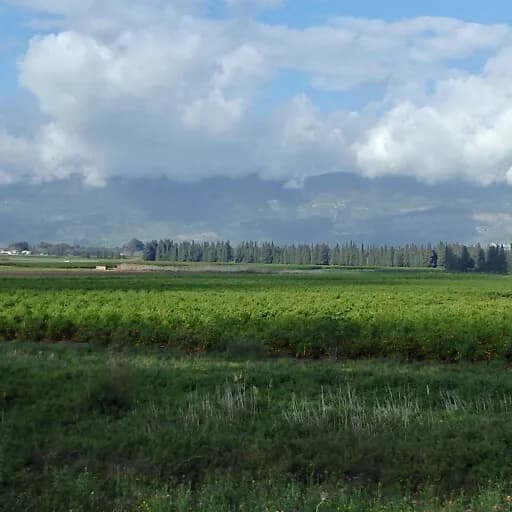
Maacah is a region mentioned in 8 verses across 3 books of the Bible. Known today as Tel Abel Beth Maacah.
Verses
8
Books
3
Confidence
Very High
Coordinates
33.2581, 35.5810
Map
Loading map...
Key Verses About Maacah
“and in Salecah”Joshua 12:5 (KJV)
“and the border of the Geshurites and Maacathites”Joshua 13:11 (KJV)
“nor the Maacathites: but Geshur and Maacath dwell in the midst of Israel to this day.”Joshua 13:13 (KJV)
“the children of Ammon sent and hired the Syrians of Beth Rehob”2 Samuel 10:6 (KJV)
“and put the battle in array at the entrance of the gate: and the Syrians of Zobah and of Rehob”2 Samuel 10:8 (KJV)
What the Commentators Say
“Chapter 12 Chapter Outline The two kings conquered by Moses.(1-6) The kings whom Joshua smote.(7-24) **Verses 1-6** Fresh mercies must not drown the remembrance of former mercies, nor must the glory of the present instruments of good to the church diminish the just honour of those who went before them, since God is the same who wrought by both. Moses gave to one part of Israel a very rich and fruitful country, but it was on the outside of Jordan. Joshua gave to all Israel the holy land, within Jordan. So the law has given to some few of God's spiritual Israel worldly blessings, earnests of good things to come; but our Lord Jesus, the true Joshua, provided for all the children of promise spiritual blessings, and the heavenly Canaan.”
Matthew Henry's Concise Commentary on Joshua 12:5
“(6) **Saw that they stank.**—The Hebrew, translated literally, shows that they were conscious that this was by their own fault—“that they had made themselves stink,” and is so rendered in 1Chronicles 19:6. **Hired.**—Chronicles gives the amount of the subsidy, 1,000 talents of silver, a sum variously estimated at from £125,000 to twice that amount. It shows at once the wealth of Ammon, the importance of the auxiliaries, and the grave character of the war. **Syrians of Beth-rehob.**—Called simply Rehob in 2Samuel 10:8. This has been understood of several different places. It can hardly have been the Rehob (or Beth-rehob) of Numbers 13:21; Judges 18:28, since that was near Laish, and within the territory of the Israelites. Some identify it with “Ruhaibeh,” twenty-five miles N.E. of Damascus; but it is more likely to have been “Rehoboth by the river” (*i.e., *near the Euphrates) of Genesis 36:37, as this corresponds with “out of Mesopotamia’ in the parallel passage 1Chronicles 19:6, the situation of which is not more definitely known. **Zoba.**—See Note on 2Samuel 8:3. **King Maacah.**—Read, *King of Maacah, *as in Chronicles. For the situation of the country see Deuteronomy 3:14; Joshua 12:5. It furnished only one thousand auxiliaries. **Ish-tob.**—Translated, *men of Tob, *the first syllable not being a part of the proper name. Jephthah here found refuge when exiled by his countrymen (Judges 11:3; Judges 11:5). It was probably just east of Gilead, between Syria and the land of Ammon; it is not mentioned in Chronicles. The total number of auxiliaries mentioned in 1Chronicles 19:7, thirty-two thousand, is the same as given here, Maacah being omitted from the number; but the composition of the force is different. Here only infantry are mentioned, there only chariots and cavalry. It is plain from the result of the battle (2Samuel 10:18 in both places) that all three arms of the service were employed; either, therefore, some words have dropped out from both texts, or else the writer in each case did not care to go into details. Chronicles mentions that the allies mustered in Medeba, a place on a hill in the *Belka *plain, about four miles south-east of Heshbon, and well fitted strategically to repel an attack upon Rabbah. It had been originally assigned to the tribe of Reuben (Joshua 13:9).”
Ellicott's Commentary for English Readers on 2 Samuel 10:6
Bible Verses Mentioning Maacah
Learn More
Nearby Biblical Places
Related Resources
Attribution
- Geographic data from OpenBible.info Bible Geocoding Data licensed under CC BY 4.0.
- Map tiles by OpenStreetMap contributors (ODbL 1.0).
- Image: Вячеслав Ребров.