Biblical Region
Engedi in the Bible
Engedi is a region mentioned in 6 verses across 5 books of the Bible. Known today as Ein Gedi.
Verses
6
Books
5
Confidence
Very High
Coordinates
31.4500, 35.3833
Map
Loading map...
Key Verses About Engedi
“and the City of Salt”Joshua 15:62 (KJV)
“and lived in the strongholds of En Gedi.”1 Samuel 23:29 (KJV)
“when Saul was returned from following the Philistines”1 Samuel 24:1 (KJV)
“saying”2 Chronicles 20:2 (KJV)
“My beloved is unto me as a cluster of camphire in the vineyards of Engedi.”Song of Solomon 1:14 (KJV)
What the Commentators Say
“**Verses 20-63** Here is a list of the cities of Judah. But we do not here find Bethlehem, afterwards the city of David, and ennobled by the birth of our Lord Jesus in it. That city, which, at the best, was but little among the thousands of Judah, Mi 5:2, except that it was thus honoured, was now so little as not to be accounted one of the cities.”
Matthew Henry's Concise Commentary on Joshua 15:62
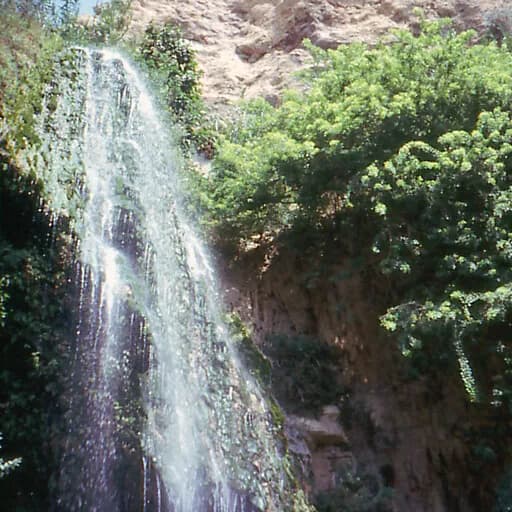
“(1) **When Saul was returned.**—How intent Saul was on his bloody purpose with regard to his supposed rival is clear, for no sooner was the Philistine raid repulsed than with sleepless animosity he at once set forth with a force, as the next verse relates, of considerable magnitude to hunt down his foe. Saul was encouraged in this fresh enterprise by the offer of the Ziphites (see preceding 1Sam 1Samuel 24:19-22). These bitter enemies of David, in the interval of the Philistine war—accustomed to the passes and mountains of the barren region of the south of Canaan—complying with the king’s request (1Samuel 23:23), had taken careful knowledge of the lurking-places where David was hiding, and were now prepared to act as guides to the well-equipped and disciplined forces under Saul in its marches and counter-marches in the deserts bordering on the south of Judah. **En-gedi.**—David and his band were now wandering along a lofty plateau, upon the tops of cliffs some 2,000 feet above the Dead Sea. En-gedi—still known as Ain-jedy, the Fountain of the Kid—is a beautiful oasis, in the barren wilderness to the south of Judah. Its original name was Hazazon Tamar—“The Palm Wood” (see 2Chronicles 20:2)—and was once an ancient settlement of the Amorites (see Genesis 14:7). It has in all ages been a favourite spot with the possessors of the land. King Solomon appears to have paid peculiar attention to this garden of the wilderness. He planted the hills round it with vines; from the fountain flows a warm limpid stream, delicious to the taste. The remains of ancient gardens tell us that in the golden days of the kings En-gedi was probably a favourite resort of the wealthy citizen of Jerusalem. Solpmon, in his “Song of Songs,” writes of it in a strain which shows how he loved it, when he compares his beloved “to a cluster of camphire in the vineyards of En-gedi.”—Song of Solomon 1:14. Its present condition, as described by modern travellers, more nearly resembles the En-gedi when Saul hunted David among the rocks and caverns than the En-gedi the resort of the Jerusalem citizens, beautiful with gardens and vines of Solomon.—Conder: *Tent Life. *Dean Stanley and others have described the spot with great care, and left us a vivid picture of the scene. They tell us of the long and weary journey-across the desolate valleys and precipitous barren heights, and of the enchanting scene which lay before them when once Ain-jedy was reached. They describe in flowing language the plentiful and rich vegetation, the trees and fruits, the ruins of the ancient gardens, and remains of the beautiful groves, still inhabited by a multitude of singing birds. In the limestone cliffs are numerous caves, some of them very large and deep, well calculated to be the temporary shelter of large bodies of men.”
Ellicott's Commentary for English Readers on 1 Samuel 24:1
Bible Verses Mentioning Engedi
Learn More
Nearby Biblical Places
Related Resources
Attribution
- Geographic data from OpenBible.info Bible Geocoding Data licensed under CC BY 4.0.
- Map tiles by OpenStreetMap contributors (ODbL 1.0).
- Image: Grauesel.