Biblical Valley
Valley of Achor in the Bible
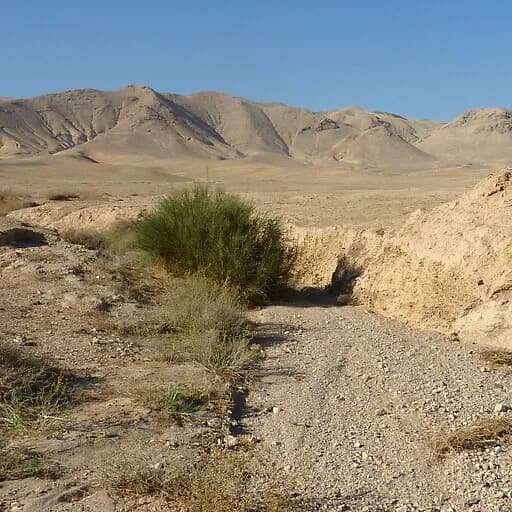
Valley of Achor is a valley mentioned in 5 verses across 3 books of the Bible. Known today as Al Buqay’ah.
Verses
5
Books
3
Confidence
High
Coordinates
31.7167, 35.3833
Map
Loading map...
Key Verses About Valley of Achor
“and all Israel with him”Joshua 7:24 (KJV)
“to this day; and Yahweh turned from the fierceness of his anger. Therefore the name of that place was called The valley of Achor to this day.”Joshua 7:26 (KJV)
“and so northward”Joshua 15:7 (KJV)
“and the valley of Achor a place for herds to lie down in”Isaiah 65:10 (KJV)
“and the valley of Achor for a door of hope; and she will respond there”Hosea 2:15 (KJV)
What the Commentators Say
“**Verses 16-26** See the folly of those that promise themselves secrecy in sin. The righteous God has many ways of bringing to light the hidden works of darkness. See also, how much it is our concern, when God is contending with us, to find out the cause that troubles us. We must pray with holy Job, Lord, show me wherefore thou contendest with me. Achan's sin began in the eye. He saw these fine things, as Eve saw the forbidden fruit. See what comes of suffering the heart to walk after the eyes, and what need we have to make this covenant with our eyes, that if they wander they shall be sure to weep for it. It proceeded out of the heart. They that would be kept from sinful actions, must mortify and check in themselves sinful desires, particularly the desire of worldly wealth. Had Achan looked upon these things with an eye of faith, he would have seen they were accursed things, and would have dreaded them; but looking on them with an eye of sense only, he saw them as goodly things, and coveted them. When he had committed the sin, he tried to hide it. As soon as he had got this plunder, it became his burden, and he dared not to use his ill-gotten treasure. So differently do objects of temptation appear at a distance, to what they do when they have been gotten. See the deceitfulness of sin; that which is pleasing in the commission, is bitter in the reflection. See how they will be deceived that rob God. Sin is a very troublesome thing, not only to a sinner himself, but to all about him. The righteous God will certainly recompense tribulation to them that trouble his people. Achan perished not alone in his sin. They lose their own, who grasp at more than their own. His sons and daughters were put to death with him. It is probable that they helped to hide the things; they must have known of them. What fatal consequences follow, even in this world, to the sinner himself, and to all belonging him! One sinner destroys much good. What, then, will be the wrath to come? Let us flee from it to Christ Jesus as the sinner's Friend. There are circumstances in the confession of Achan, marking the progress of sin, from its first entrance into the heart to its being done, which may serve as the history of almost every offence against the law of God, and the sacrifice of Jesus Christ.”
Matthew Henry's Concise Commentary on Joshua 7:24
“(24) **And his sons, and his daughters, and his oxen, and his asses, and his sheep, and his tent, and all that he had.**—All were evidently destroyed together (comp. Joshua 22:20). For any other sin but this, Achan must have suffered alone. “The children shall not be put to death for the fathers.” But in this case, warning had been given that the man who took of the accursed thing, or *ch*ê*rern, *would be an accursed thing like it, if he brought it into his house (Deuteronomy 7:26), and would make the camp of Israel *chêrem *also (Joshua 6:18), and thus Achan’s whole establishment was destroyed as though it had become part of Jericho. It is not necessary to assert that the family of Achan were accomplices. His cattle were not so, and yet they were destroyed. See also 1Chronicles 2:7, where his line is not continued. Observe also the incidental reference to the fact in Joshua 22:20, “*That man perished not alone *in his iniquity.” The severity of the punishment must be estimated by the relation of Achan’s crime to the whole plan of the conquest of Canaan. If the destruction of the Canaanites was indeed the execution of the Divine vengeance, it must be kept entirely clear of all baser motives, lest men should say that Jehovah gave His people licence to deal with the Canaanites as it seemed best for themselves. The punishment of Saul for taking the spoil of Amalek (1 Samuel 15), and the repeated statement of the Book of Esther that the Jews who stood for their lives and slew their enemies, the supporters of Haman’s project, *laid not their hands on the prey, *are further illustrations of the same principle. The gratification of human passions may not be mingled with the execution of the vengeance of God. (See Esther 8:11; Esther 9:10; Esther 9:15-16.) **The valley of Achor.**—In 1Chronicles 2:7, Achan himself is designated *Achar *(one among several examples of the alteration of a name to suit some circumstance of a person’s history. Compare Bathsheba for Bathshua, Shallum for Jehoiachin, Ishbosheth for Eshbaal, &c.). There is a double play upon the names in Hosea 2:15 : “I will give her her vineyards (*Carmêha. *Compare *Carmi, *“my vineyard”) from thence, and the valley of trouble (*Achor*) for a door of hope.” The valley of Achor is a pass leading from Gilgal towards the centre of the country, or, as it might be represented, from Jericho towards Jerusalem—i.e., from the city of destruction to the city of God. So it was to Israel in the conquest. The future state of Achan is in the hands of the Judge who “doeth judgment.” No mercy to his crime on earth was possible. It would have been injustice to all mankind. Ellicott's Commentary for English Readers Text Courtesy of BibleSupport.com. Used by Permission. Bible Hub”
Ellicott's Commentary for English Readers on Joshua 7:24
Bible Verses Mentioning Valley of Achor
Nearby Biblical Places
Related Resources
Attribution
- Geographic data from OpenBible.info Bible Geocoding Data licensed under CC BY 4.0.
- Map tiles by OpenStreetMap contributors (ODbL 1.0).
- Image: Mujaddara.