Biblical Region
Hazor 5 in the Bible
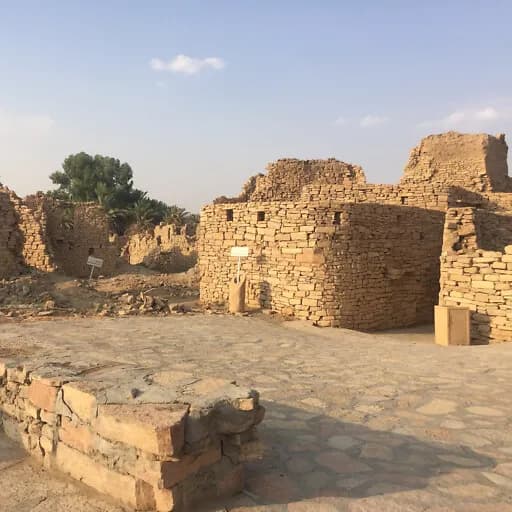
Hazor 5 is a region mentioned in 3 verses across 1 book of the Bible. Known today as Dumat al Jandal.
Verses
3
Books
1
Confidence
High
Coordinates
29.8114, 39.8683
Map
Loading map...
Key Verses About Hazor 5
“and of the kingdoms of Hazor”Jeremiah 49:28 (KJV)
“wander far off”Jeremiah 49:30 (KJV)
“a desolation forever: no man shall dwell there”Jeremiah 49:33 (KJV)
What the Commentators Say
“Chapter 49 The unbelief and rejection of the Jews. (Is. 49:1-6) Gracious promise to the Gentiles. (Is. 49:7-12) God's love to the church. (Is. 49:13-17) Its increase. (Is. 49:18-23) And deliverance. (Is. 49:24-26) **Verses 1-6** The great Author of redemption shows the authority for his work. The sword of his word slays the lusts of his people, and all at enmity with them. His sharp arrows wound the conscience; but all these wounds will be healed, when the sinner prays to him for mercy. But even the Redeemer, who spake as never man spake in his personal ministry, often seemed to labour in vain. And if Jacob will not be brought back to God, and Israel will not be gathered, still Christ will be glorious. This promise is in part fulfilled in the calling of the Gentiles. Men perish in darkness. But Christ enlightens men, and so makes them holy and happy.”
Matthew Henry's Concise Commentary on Jeremiah 49:28
“(28) **Concerning Kedar . . .**—The name belonged to a tribe of the Bedouin type, descended from Ishmael (Genesis 25:13), and at this time conspicuous as supplying the markets of Tyre with sheep and goats (Ezekiel 27:21). In PP. 120:5 it appears as the representative of the fierce nomadic life of the Arabians. Hazor appears as the name of many cities in Palestine (Joshua 11:1; Joshua 15:23; Joshua 19:36), but the combination with Kedar points to quite a different region. The probable explanation is that Jeremiah uses the term (as a like word, *hazērein, *is used in Isaiah 42:11 for the “villages” of Kedar) for the region in which the Kedar Arabs had ceased to be nomadic, and had made a permanent settlement. According to Niebuhr (*Assur u. Bab., *p. 210) it answers to the modern *Hadschar *in the angle formed by the southern course of the Euphrates and the Persian Gulf. **Spoil the men of the east.**—Literally, the *B’eni-Kedem. *or children of the East. The term appears in the Old Testament history from a very early date (Genesis 29:1; Judges 6:3; Judges 6:33; Judges 7:12; 1Kings 4:30; Job 1:3), and has, as might be expected, though obviously indicating a nomadic form of life, like that of the Midianites, a somewhat wide and undefined connotation. The picture of the attack on them presents a marked contrast to that of the attack on Damascus: not palaces and treasures, but tents and flocks, the curtains or hangings of the tent, their implements (weapons, kneading troughs, and the like), their very camels, seized by the conquerors.”
Ellicott's Commentary for English Readers on Jeremiah 49:28
Bible Verses Mentioning Hazor 5
Nearby Biblical Places
Related Resources
Attribution
- Geographic data from OpenBible.info Bible Geocoding Data licensed under CC BY 4.0.
- Map tiles by OpenStreetMap contributors (ODbL 1.0).
- Image: Imam Khairul Annas.