Biblical Settlement
Ashtaroth in the Bible
Ashtaroth is a settlement mentioned in 7 verses across 3 books of the Bible. Known today as Tell Ashtara.
Verses
7
Books
3
Confidence
High
Coordinates
32.8042, 36.0158
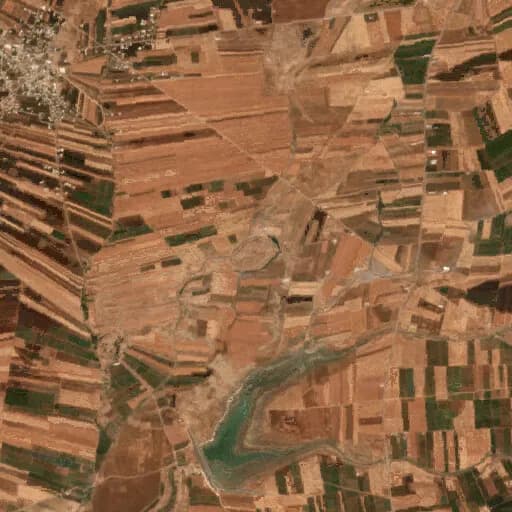
Map
Loading map...
Key Verses About Ashtaroth
“who lived in Heshbon”Deuteronomy 1:4 (KJV)
“who were beyond the Jordan”Joshua 9:10 (KJV)
“of the remnant of the Rephaim”Joshua 12:4 (KJV)
“who reigned in Ashtaroth and in Edrei (the same was left of the remnant of the Rephaim); for these did Moses strike”Joshua 13:12 (KJV)
“and Ashtaroth”Joshua 13:31 (KJV)
What the Commentators Say
“**Verses 3-13** Other people heard these tidings, and were driven thereby to make war upon Israel; but the Gibeonites were led to make peace with them. Thus the discovery of the glory and the grace of God in the gospel, is to some a savour of life unto life, but to others a savour of death unto death, 2Co 2:16. The same sun softens wax and hardens clay. The falsehood of the Gibeonites cannot be justified. We must not do evil that good may themselves to the God of Israel, we have reason to think Joshua would have been directed by the oracle of God to spare their lives. But when they had once said, "We are come from a far country," they were led to say it made of skins, and their clothes: one lie brings on another, and that a third, and so on. The way of that sin is especially down-hill. Yet their faith and prudence are to be commended. In submitting to Israel they submitted to the God of Israel, which implied forsaking their idolatries. And how can we do better than cast ourselves upon the mercy of a God of all goodness? The way to avoid judgment is to meet it by repentance. Let us do like these Gibeonites, seek peace with God in the rags of abasement, and godly sorrow; so our sin shall not be our ruin. Let us be servants to Jesus, our blessed Joshua, and we shall live.”
Matthew Henry's Concise Commentary on Joshua 9:10
“**THE CITIES OF THE GERSHONITES.** (Camp. Joshua 21:27-33.) 1Chronicles 6:71-76. (71) **Unto the** **sons of Gershom.**—Supply *they gave,* from 1Chronicles 6:67. **Golan in** **Bashan** (comp. the classical Gaulanitis, a district east of the sea of Galilee) was a city of refuge, like Hebron and Shechem. **Ashtaroth.**—*Images of Ashtoreth* (Astarte, queen of heaven); a name like Anathoth (1Chronicles 6:60), which means “images of Anath,” or *Anatum,* the consort of *Anurn* (the sky). The two cities must have been ancient seats of the worship of Ashtoreth and Anath. The names still survive in *Tell-Ashtereh* and *Anâta.* Joshua (*50100*) reads Be’eshterah—perhaps **a** popular pronunciation of Beth-Ashterah (house of Ashtoreth). (72) **Kedesh** means “sanctuary.” Joshua 19:20; Joshua 21:28 has Kishion, which may have borne the other name, as being the seat of a famous sanctuary. (73) **Ramoth.**—In Joshua 21 Jarmuth, but in Joshua 19:21 Remeth. Jarmuth occurs in Joshua 12:11, and is probably right. **Anem.**—Joshua 21:29; Joshua 19:21 has En-gannim. Joshua 15:34 mentions a Judæan city called ha-Enam (the two fountains), and that not far from En-gannim (fount of gardens). Anem is very much like Enam. (74) **Mashal** is perhaps a popular pronunciation of Mish’al (Joshua 21:30; Joshua 19:26). (Comp. Shēlâh = She’ēlâh.) (75) **Hukok.**—Helkath (Joshua 19:25). Hukkôk was a city of Naphtali (Joshua 19:34). (76) **Kedesh in Galilee.**—A city of refuge (Joshua 21:32); the modern *Kedes.* **Hammon** =Haminoth-dor, “hot springs of Dor” (Joshua 21:32); also called Hammath (Joshua 19:35). **Kirjathaim.**—In Joshua 21:32 Kartan; a contracted form of the dual of Kereth (=Kirjah), like Dothan for Dothaim. (Dothain, Genesis 37:17.)”
Ellicott's Commentary for English Readers on 1 Chronicles 6:71
Bible Verses Mentioning Ashtaroth
Learn More
Nearby Biblical Places
Related Resources
Attribution
- Geographic data from OpenBible.info Bible Geocoding Data licensed under CC BY 4.0.
- Map tiles by OpenStreetMap contributors (ODbL 1.0).
- Image: Contains modified Copernicus Sentinel data 2019.