Biblical Settlement
Tel-abib in the Bible
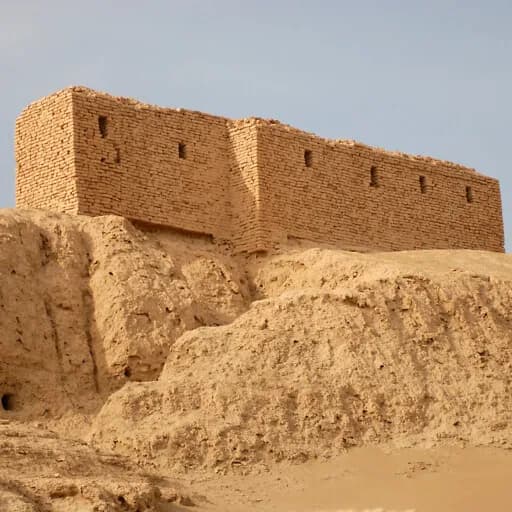
Tel-abib is a settlement mentioned in 1 verse across 1 book of the Bible. Known today as Nippur.
Verses
1
Books
1
Confidence
High
Coordinates
32.1261, 45.2308
Map
Loading map...
Key Verses About Tel-abib
“that lived by the river Chebar”Ezekiel 3:15 (KJV)
What Does “Tel-abib” Mean?
תֵּל אָבִיב (Têl ʼÂbîyb, Hebrew) — “mound of the flood”
Tel-Abib, a place in Chaldaea
H8512 in Strong's Concordance →What the Commentators Say
“**Verses 12-21** This mission made the holy angels rejoice. All this was to convince Ezekiel, that the God who sent him had power to bear him out in his work. He was overwhelmed with grief for the sins and miseries of his people, and overpowered by the glory of the vision he had seen. And however retirement, meditation, and communion with God may be sweet, the servant of the Lord must prepare to serve his generation. The Lord told the prophet he had appointed him a watchman to the house of Israel. If we warn the wicked, we are not chargeable with their ruin. Though such passages refer to the national covenant made with Israel, they are equally to be applied to the final state of all men under every dispensation. We are not only to encourage and comfort those who appear to be righteous, but they are to be warned, for many have grown high-minded and secure, have fallen, and even died in their sins. Surely then the hearers of the gospel should desire warnings, and even reproofs.”
Matthew Henry's Concise Commentary on Ezekiel 3:15
“(15) **I came to them of the captivity at Telabib.**—Ezekiel now leaves the place where he had been, and comes to Tel-abib, which is described as still by the same “river of Chebar,” and which signifies the “mound of ears (of grain),” and was probably a place of especial fruitfulness, but which cannot be further identified. It appears to have been the central place of the captivity. **I sat where they sat **is an expression of so much difficulty in the Hebrew, that it has given rise to various readings in the manuscripts, and to a marginal correction which has been followed by the English. Probably the vowel-pointing of the first word should be changed, and it will then read, “and I saw where they sat.” **Remained there astonished among them seven days.—**Comp. Daniel 4:19; Ezra 9:3-4. The word implies a fixed and determined silence. *“To be silent *was the characteristic of mourners (Lamentations 3:28); *to sit, *their proper attitude (Isaiah 3:26; Lamentations 1:1); *seven days, *the set time of mourning (Job 2:13).” By this act the prophet shows his deep sympathy with his people in their affliction. This week of silent meditation among those to whom he was commissioned to speak corresponds, as already said, to the week of the consecration of his fathers to their priestly office (Leviticus 8). Such a season of retirement and thought has been given to other great religious leaders—to Moses, in his forty years of exile; to Elijah, in his forty days in Mount Horeb (1Kings 19:4-8); to St. Paul, in his journey to Arabia (Galatians 1:17); and to our Lord Himself, when He went into the wilderness after His baptism.”
Ellicott's Commentary for English Readers on Ezekiel 3:15
Bible Verses Mentioning Tel-abib
Learn More
Nearby Biblical Places
Related Resources
Attribution
- Geographic data from OpenBible.info Bible Geocoding Data licensed under CC BY 4.0.
- Map tiles by OpenStreetMap contributors (ODbL 1.0).
- Image: Jasmine N. Walthall, U.S. Army.