Biblical Settlement
Suphah in the Bible
Suphah is a settlement mentioned in 1 verse across 1 book of the Bible. Known today as Sufeh.
Verses
1
Books
1
Confidence
Moderate
Coordinates
31.6656, 35.8175
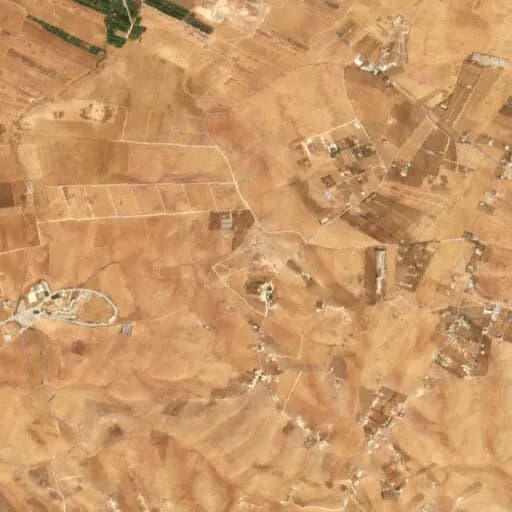
Map
Loading map...
Key Verses About Suphah
“Vaheb in Suphah, the valleys of the Arnon,,Wherefore it is said in the book of the wars of the LORD, What he did in the Red sea, and in the brooks of Arnon,, עַל־כֵּן יֵאָמַר בְּסֵפֶר מִלְחֲמֹת יְהוָה אֶת־וָהֵב בְּסוּפָה וְאֶת־הַנְּחָלִים אַרְנוֹן׃ ,wherefore it is said in the book of the Wars of the LORD: Vaheb in Suphah, And the valleys of Arnon,,διὰ τοῦτο λέγεται ἐν βιβλίῳ πόλεμος τοῦ κυρίου τὴν ζωοβ ἐφλόγισεν καὶ τοὺς χειμάρρους αρνων,Therefore it is said in a book, A war of the Lord has set on fire Zoob, and the brooks of Arnon.,על כן יאמר בספר מלחמות יהוה את והב בסופה ואת הנחלים ארנן,Wherefore it is said in the book of the wars of the LORD, What he did in the Red sea, and in the brooks of Arnon,עַל כֵּן יִתְאַמַר בְּסִפְרָא קְרָבִין דַעֲבַד יְיָ עַל יַמָא דְסוּף וּגְבוּרָן דְעַל נַחֲלֵי אַרְנוֹן ,Wherefore it is said in the Book of the Wars, That which the Lord did by the Sea of Suph, and the great deeds which (He wrought) by the torrents of Arnon,”Numbers 21:14 (KJV)
What the Commentators Say
“**Verses 10-20** We have here the removes of the children of Israel, till they came to the plains of Moab, from whence they passed over Jordan into Canaan. The end of their pilgrimage was near. "They set forward." It were well if we did thus; and the nearer we come to heaven, were so much the more active and abundant in the work of the Lord. The wonderful success God granted to his people, is here spoken of, and, among the rest, their actions on the river Arnon, at Vaheb in Suphah, and other places on that river. In every stage of our lives, nay, in every step, we should notice what God has wrought for us; what he did at such a time, and what in such a place, ought to be distinctly remembered. God blessed his people with a supply of water. When we come to heaven, we shall remove to the well of life, the fountain of living waters. They received it with joy and thankfulness, which made the mercy doubly sweet. With joy must we draw water out of the wells of salvation, Is 12:3. As the brazen serpent was a figure of Christ, who is lifted up for our cure, so is this well a figure of the Spirit, who is poured forth for our comfort, and from whom flow to us rivers of living waters, Joh 7:38, 39. Does this well spring up in our souls? If so, we should take the comfort to ourselves, and give the glory to God. God promised to give water, but they must open the ground. God's favours must be expected in the use of such means as are within our power, but still the power is only of God.”
Matthew Henry's Concise Commentary on Numbers 21:14
“(14, 15) **The book of the wars of the Lord.—**Nothing is known about this book. The last days of Moses, as Baumgarten has observed, may have been a suitable time for the commencement of such a work. The history of the journey from Kadesh to the *Arboth Moab *was not written by Moses until after the defeat of the two kings of the Amorites, and the subjugation of the land on the east of the Jordan. **What he did in the** **Red Sea . . . —**The original is very obscure. It is probable that some such verb as *They conquered *(or, *subdued*) is understood, and that the words may be rendered *Vaheb in Suphah and the valleys *(by) *Arnon, and the bed *(or, *ravine*)* of the valleys which inclines towards the dwelling of Ar, and leans upon the border of Moab. *Vaheb was probably the name of a town, and Suphah the district in which that town was situated, so called from its reeds and rushes. Some, however, think that Suphah here denotes a storm or hurricane, as in other places. Ar is supposed to be the same as Areopolis.”
Ellicott's Commentary for English Readers on Numbers 21:14
Bible Verses Mentioning Suphah
Learn More
Nearby Biblical Places
Related Resources
Attribution
- Geographic data from OpenBible.info Bible Geocoding Data licensed under CC BY 4.0.
- Map tiles by OpenStreetMap contributors (ODbL 1.0).
- Image: Contains modified Copernicus Sentinel data 2019.