Biblical Natural Area
Shaveh-kiriathaim in the Bible
Shaveh-kiriathaim is a natural area mentioned in 1 verse across 1 book of the Bible. Known today as Al Qurayyat.
Verses
1
Books
1
Confidence
Very High
Coordinates
31.5406, 35.6861
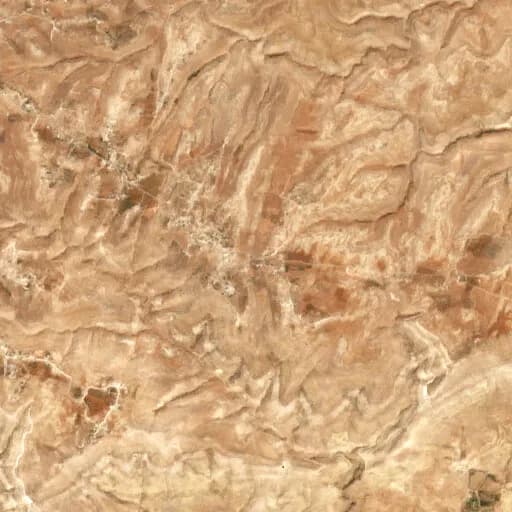
Map
Loading map...
Key Verses About Shaveh-kiriathaim
“and the kings who were with him”Genesis 14:5 (KJV)
What the Commentators Say
“Chapter 14 Chapter Outline The battle of the kings, Lot is taken prisoner.(1-12) Abram rescues Lot.(13-16) Melchizedek blesses Abram.(17-20) Abram restores the spoil.(21-24) **Verses 1-12** The wars of nations make great figure in history, but we should not have had the record of this war if Abram and Lot had not been concerned. Out of covetousness, Lot had settled in fruitful, but wicked Sodom. Its inhabitants were the most ripe for vengeance of all the descendants of Canaan. The invaders were from Chaldea and Persia, then only small kingdoms. They took Lot among the rest, and his goods. Though he was righteous, and Abram's brother's son, yet he was with the rest in this trouble. Neither our own piety, nor our relation to the favourites of Heaven, will be our security when God's judgments are abroad. Many an honest man fares the worse for his wicked neighbours: it is our wisdom to separate, or at least to distinguish ourselves from them, 2Co 6:17. So near a relation of Abram should have been a companion and a disciple of Abram. If he chose to dwell in Sodom, he must thank himself if he share in Sodom's losses. When we go out of the way of our duty, we put ourselves from under God's protection, and cannot expect that the choice made by our lusts, should end to our comfort. They took Lot's goods; it is just with God to deprive us of enjoyments, by which we suffer ourselves to be deprived of the enjoyment of him.”
Matthew Henry's Concise Commentary on Genesis 14:5
“(5) **The Rephaims.**—Described as an Amorite tribe (Amos 2:9) of great stature, settled in Bashan, where Moses conquered them (Joshua 13:12). We find them also on the other side of Jordan, in Mount Ephraim ( Joshua 17:15), on the western side of Jerusalem (Joshua 15:8; Joshua 18:16; 2Samuel 5:18; 2Samuel 5:22), and even among the Philistines (2Samuel 21:16; 2Samuel 21:18). In many of these places the word is wrongly translated *giants. *From this wide dispersion of them we may safely conclude that they belonged to the earlier settlers in the land and that only their rulers, like Og (Joshua 9:10), were Amorites. **Ashteroth Karnaim.**—*The two-horned Astarte, *the Phœnician Venus, identified by the Rephaim with the moon. Her worship had, no doubt, been introduced by the Amorites. This city was the capital of Og (Deuteronomy 1:4), and is called *Be-Eshtera, *“the house of Astarte,” in Joshua 21:27. Its remains have been found at Tell-Ashtereh, in the Hauran, about two leagues from the ancient Edrei. **The Zuzim.**—Called in Deuteronomy 2:20 Zamzummim, where they are identified with the Rephaim, of which stock they were an inferior branch. Their capital, *Ham, *has been identified with Hameitât, about six miles to *the *east of the lower part of the Dead Sea (Tristram, *Land of Moab, *p. 117). **The Emims.**—Of these also we read in Deuteronomy 2:10-11 : “The Emim . . . also were accounted Rephaim, as the Anakim.” **In Shaveh Kiriathaim.**—More probably, *in the plain of Kiriathaim. *This city, given to the tribe of Reuben (Numbers 32:37), was, upon the decay of the Israelites upon the east of Jordan, re-occupied by the Moabites (Jeremiah 48:1), who had taken it from the Emim.”
Ellicott's Commentary for English Readers on Genesis 14:5
Bible Verses Mentioning Shaveh-kiriathaim
Learn More
Nearby Biblical Places
Related Resources
Attribution
- Geographic data from OpenBible.info Bible Geocoding Data licensed under CC BY 4.0.
- Map tiles by OpenStreetMap contributors (ODbL 1.0).
- Image: Contains modified Copernicus Sentinel data 2019.