Biblical Settlement
Rimmono in the Bible
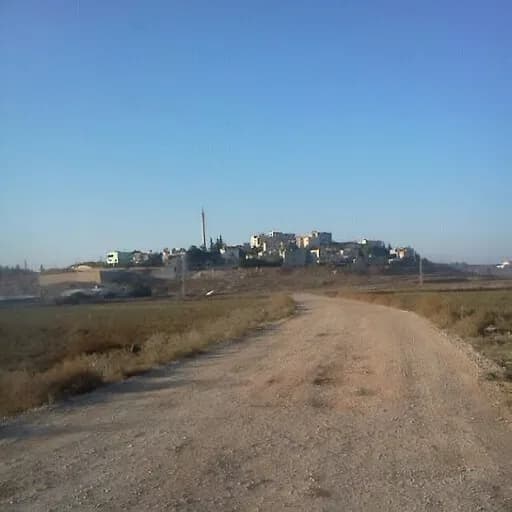
Rimmono is a settlement mentioned in 1 verse across 1 book of the Bible. Known today as Rumana.
Verses
1
Books
1
Confidence
Very High
Coordinates
32.7881, 35.3106
Map
Loading map...
Key Verses About Rimmono
“the sons of Merari”1 Chronicles 6:77 (KJV)
What the Commentators Say
“Chapter 6 Genealogies. --We have an account of Levi in this chapter. The priests and Levites were more concerned than any other Israelites, to preserve their descent clear, and to be able to prove it; because all the honours and privileges of their office depended upon their descent. Now, the Spirit of God calls ministers to their work, without any limit as to the families they came from; and then, as now, though believers and ministers may be very useful to the church, none but our great High Priest can make atonement for sin, nor can any be accepted but through his atonement.”
Matthew Henry's Concise Commentary on 1 Chronicles 6:77
“**THE CITIES OF THE MERARITES.** (Comp. Joshua 21:34-38.) 1Chronicles 6:77-81. (77) **Unto the rest of the children** of **Merari.**—Rather, *Unto the sons of Merari, the remaining Levites,* as at Joshua 21:34. The cities of the Kohathites and Gershonites having been rehearsed, it was natural to speak of the Merarites as “those who were left.” **Were given.**—*They gave,* as before (1Chronicles 6:71). **Rimmon . . . Tabor.**—Heb. *Rimmônô.* The reading of Joshua 21:34-35 is quite different. We there find mention of Jokneam, Kartah, Dimnah, and Nahalal, “four cities.” The first pair of names may be accidentally omitted from our text. Dimnah, in Joshua, should probably be Rimmonah, answering to the present Rimmono or Rimmon (Joshua 19:13). Rimmon, the Assyrian *Rammânu.* (See Note on 2Kings 5:18.) Nahalal is mentioned again (Joshua 19:15) as a city-of Zebulun; while Tabor is only known as the name of the mountain which rises north-east of the plain of Esdraelon, and is famous as the traditional scene of the Transfiguration (Judges 8:18; Psalm 89:12). Nahalal means “pasture,” or “sheep-walk” = Nahalôl (Isaiah 7:19); and the original reading of our text may have been, *Nahalal-tabôr *(*pasturage of Tabor*)*—*a compound proper name like Hamm-thôdôr, and many-others. (78, 79) **Bezer in the wilderness.**—A city of refuge (Deuteronomy 4:43). The phrase “on the east or Jordan” fixes the meaning of the indefinite expression “on the other side Jordan.” **Jahzah** is a form of Jahaz, originally meaning, “to Jahaz.” (Comp. the modern names Stamboul = ἐς τὰν πόλιν, Stanchio = ἐς τὰν χίω) Jahaz was assigned to Reuben at the partition of Canaan (Joshua 13:18), along with Kedemoth and Mephaath. Mesha, king of Moab, recovered it from Israel (see Note on 2Kings 1:1). Mephaath belonged to Moab temp. Jeremiah (Jeremiah 48:21). It was, according to Jerome, a garrison town in the Roman age. (See also Joshua 13:18; Joshua 21:37; Deuteronomy 2:26.) (80) **Ramoth in Gilead.**—A city of refuge (Joshua 21:36). Jazer, Heshbon, Mahanaim, were given by Moses to the Gadites (Joshua 13:25-26). Ramoth Gilead (see 1 Kings 22; 2 Chronicles 18, and 2Kings 8:28). Its position is unknown. **Mahanaim,** now *Maneh,* lay on the north border of Gad. (81) **Heshbon,** now *Hesbân,* on the south border of Gad. (See also Isaiah 15:4; Jeremiah 48:2.) **Jazer** belonged to Moab in the eighth century (Isaiah 16:8-9; Jeremiah 48:32). In regard to this entire list of the Levitical cities, it has been asserted that it is based upon a theory which is historically false; the theory, namely, that certain towns with their pasture-grounds were assigned by lot to the Levites for their exclusive possession. The objection is irrelevant, for the sacred records neither affirm nor imply that none but Levitical families dwelt in the forty-eight Levitical cities. It is *à priori* probable that the bulk of their population would be ordinary Israelites of the tribes in which they were situated. (Comp. Leviticus 25:32-34, and 1Chronicles 6:55-57 *supra,* and Numbers 35:1-5.) Variations in local names, such as we have noted in comparing this list with those in Joshua, are not at all surprising, when it is remembered that centuries elapsed between the composition of the two books; and that names of places, like other names, are liable to phonetic change in the course of time. Something also must be allowed for errors of transcription. Ellicott's Commentary for English Readers Text Courtesy of BibleSupport.com. Used by Permission. Bible Hub”
Ellicott's Commentary for English Readers on 1 Chronicles 6:77
Bible Verses Mentioning Rimmono
Nearby Biblical Places
Related Resources
Attribution
- Geographic data from OpenBible.info Bible Geocoding Data licensed under CC BY 4.0.
- Map tiles by OpenStreetMap contributors (ODbL 1.0).
- Image: Almog.