Biblical Settlement
Migdol 2 in the Bible
Migdol 2 is a settlement mentioned in 2 verses across 1 book of the Bible. Known today as Tell el Herr.
Verses
2
Books
1
Confidence
Moderate
Coordinates
30.9648, 32.4929
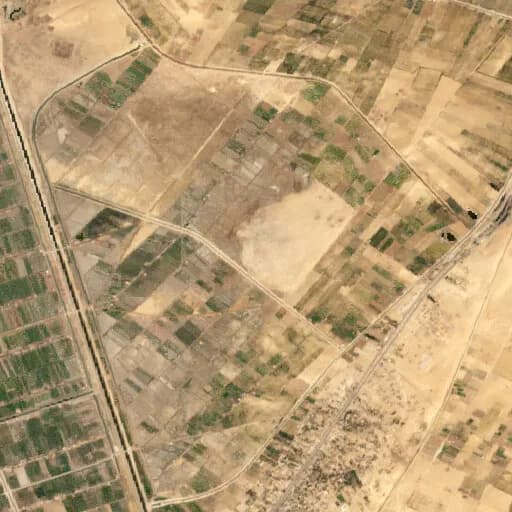
Map
Loading map...
Key Verses About Migdol 2
“who lived at Migdol”Jeremiah 44:1 (KJV)
“and publish in Migdol”Jeremiah 46:14 (KJV)
What the Commentators Say
“Chapter 44 Here are promises of the influences of the Holy Spirit. (Is. 44:1-8) An exposure of the folly of idolatry. (Is. 44:9-20) Also the deliverance of God's people. (Is. 44:21-28) **Verses 1-8** Israel is here called Jeshurun, which means "the upright one." Such only are Israelites indeed, in whom is no guile. Those that serve God he will own. He will help them over difficulties, and in their services. Water is the emblem of the Holy Spirit; as water refreshes, cleanses, and makes the earth fruitful, so do his influences the soul. This gift of the Holy Ghost is the great blessing, the plentiful pouring out of which God kept for the latter days. Where God gives his Spirit, he will give all other blessings. Hereby shall be a great increase of the church; thus it shall be spread to distant places. Was there any other Rock, or Protector, that could defend them? None besides could foretell these things to come, of which God by his prophets gave notice. All was set in order in the Divine predictions, as well as in the Divine purposes. Could any other have done so? Who can compare with Israel's Redeemer and King?”
Matthew Henry's Concise Commentary on Jeremiah 44:1
“XLIV. (1) **At Migdol, and at Tahpanhes . . .**—We find from Jeremiah 44:15 that the discourse that follows was delivered at a large gathering of the Jews at Pathros. The number of places named (the three appear in the same combination in Jeremiah 46:14) indicates the extent of the emigration. Migdol (here, as elsewhere, meaning a “tower” or “fortress”) is named in Exodus 14:2 as on the route of the Israelites before they crossed the Red Sea, between Pi-hahiroth and Baal-zephon, and again in Ezekiel 29:10; Ezekiel 30:6. It appears in the *Itinerary *of Antoninus, under the name *Magdolo, *as twelve miles south of Pelusium. The latter is thought by Lepsius to be different from the former, and to answer to the *Stratopeda *or “camp” which Herodotus mentions as having been founded by Psammetichus I. as a settlement for his Ionian or Carian mercenaries (Smith’s *Dict. of the Bible, *Art. *Migdol*)*. *Noph was identical with Memphis, and appears in Isaiah 19:13; Jeremiah 2:16; Ezekiel 30:13; Ezekiel 30:16 : and as Moph in the Hebrew of Hosea 9:6. The position of Pathros is less certain, but it may be inferred from the mention of the other cities with it that it was in Lower Egypt, and possibly, from Jeremiah 44:15, that it was the name of the region in which it was situated. So in Isaiah 11:11, it appears in conjunction with Mizraim (= Egypt) and Cush (= Ethiopia), both of which are names of regions and not of cities. By Brugsch (*Egypt, *I. 242) it has been identified with Upper Egypt, the region of the Thebaid. There is no certain note of the interval between the arrival of the Jews in Egypt and the delivery of the discourse, but it would appear that there had been time for the Jews to disperse and settle in the three or four cities here named, and to adopt the worship of the Egyptians. It is, however, implied throughout that the prophet is speaking to the emigrants themselves, and not to their descendants (Jeremiah 44:17; Jeremiah 44:21).”
Ellicott's Commentary for English Readers on Jeremiah 44:1
Bible Verses Mentioning Migdol 2
Learn More
Nearby Biblical Places
Related Resources
Attribution
- Geographic data from OpenBible.info Bible Geocoding Data licensed under CC BY 4.0.
- Map tiles by OpenStreetMap contributors (ODbL 1.0).
- Image: Contains modified Copernicus Sentinel data 2019.