Biblical Settlement
Horonaim 1 in the Bible
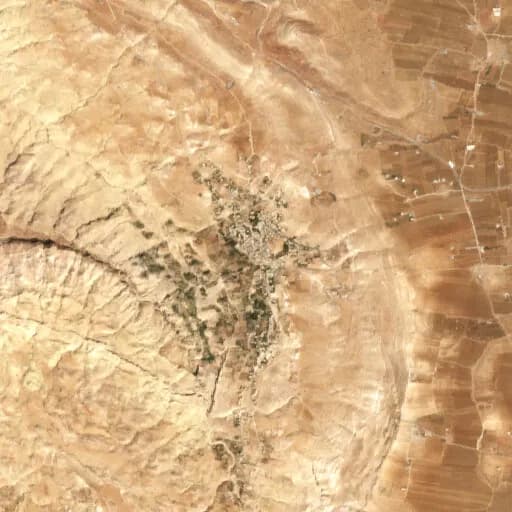
Horonaim 1 is a settlement mentioned in 4 verses across 2 books of the Bible. Known today as El Iraq.
Verses
4
Books
2
Confidence
Moderate
Coordinates
31.0900, 35.6419
Map
Loading map...
Key Verses About Horonaim 1
“to Eglath Shelishiyah; for they go up by the ascent of Luhith with weeping; for in the way of Horonaim”Isaiah 15:5 (KJV)
“desolation and great destruction!”Jeremiah 48:3 (KJV)
“For in the going up of Luhith continual weeping shall go up; for in the going down of Horonaim the enemies have heard a cry of destruction.”Jeremiah 48:5 (KJV)
“even to Jahaz have they uttered their voice”Jeremiah 48:34 (KJV)
What the Commentators Say
“Chapter 15 The Divine judgments about to come upon the Moabites. This prophecy coming to pass within three years, would confirm the prophet's mission, and the belief in all his other prophecies. Concerning Moab it is foretold, Is. 15:1. That their chief cities should be surprised by the enemy. Great changes, and very dismal ones, may be made in a very little time. Is. 15:2. The Moabites would have recourse to their idols for relief. Ungodly men, when in trouble, have no comforter. But they are seldom brought by their terrors to approach our forgiving God with true sorrow and believing prayer. Is. 15:3. There should be the cries of grief through the land. It is poor relief to have many fellow-sufferers, fellow-mourners. Is. 15:4. The courage of their soldiers should fail. God can easily deprive a nation of that on which it most depended for strength and defence. 5. These calamities should cause grief in the neighbouring parts. Though enemies to Israel, yet as our fellow-creatures, it should be grievous to see them in such distress. In Is. 15:6-9, the prophet describes the woful lamentations heard through the country of Moab, when it became a prey to the Assyrian army. The country should be plundered. And famine is usually the sad effect of war. Those who are eager to get abundance of this world, and to lay up what they have gotten, little consider how soon it may be all taken from them. While we warn our enemies to escape from ruin, let us pray for them, that they may seek and find forgiveness of their sins.”
Matthew Henry's Concise Commentary on Isaiah 15:5
“(5) **My heart shall cry out for Moab . . .**—The prophet, though a stranger to Moab, and belonging to a hostile people, is touched with pity at the sight—the fugitives fleeing before the army coming from the north to Zoar, at the extreme south of the Dead Sea (see Note on Genesis 19:22), in the wild scare as of a frightened heifer as yet untamed by the yoke (Jeremiah 31:18; Jeremiah 48:34; Jeremiah 1:11). The English “fugitives” answers to the marginal reading of the Hebrew, the text of which (followed by the Vulg.) gives, “his bars reach unto Zoar;” but it is not easy to connect this with the context. **By the mounting up of Luhith . . .**—No city has been identified as bearing this name. Probably “the *ascent of Luhith*” (the name may indicate a staircase of boards) was the well-known approach (Jeremiah 48:5) to a Moabite sanctuary. Eusebius (*Onomast.*) speaks of it as between Zoar and Areopolis (Rabbath Moab). Horonaim (here and in Jeremiah 48:3; Jeremiah 48:5; Jeremiah 48:34) is as little known as its companion. The name, which in Hebrew means “two caverns,” is, perhaps, descriptive of the nature of the sanctuary. The point of the description is that the fugitives when they reach Horonaim, are met with the cry of destruction, “All is over.””
Ellicott's Commentary for English Readers on Isaiah 15:5
Bible Verses Mentioning Horonaim 1
Learn More
Nearby Biblical Places
Related Resources
Attribution
- Geographic data from OpenBible.info Bible Geocoding Data licensed under CC BY 4.0.
- Map tiles by OpenStreetMap contributors (ODbL 1.0).
- Image: Contains modified Copernicus Sentinel data 2019.