Biblical Settlement
Ephron 2 in the Bible
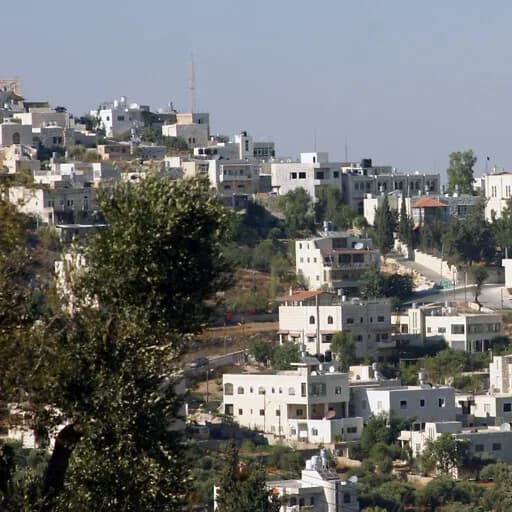
Ephron 2 is a settlement mentioned in 1 verse across 1 book of the Bible. Known today as Taybeh.
Verses
1
Books
1
Confidence
High
Coordinates
31.9544, 35.3003
Map
Loading map...
Key Verses About Ephron 2
“and took cities from him”2 Chronicles 13:19 (KJV)
What the Commentators Say
“Chapter 13 Abijah overcomes Jeroboam. --Jeroboam and his people, by apostacy and idolatry, merited the severe punishment Abijah was permitted to execute upon them. It appears from the character of Abijah, 1Ki 15:3, that he was not himself truly religious, yet he encouraged himself from the religion of his people. It is common for those that deny the power of godliness, to boast of the form of it. Many that have little religion themselves, value it in others. But it was true that there were numbers of pious worshippers in Judah, and that theirs was the more righteous cause. In their distress, when danger was on every side, which way should they look for deliverance unless upward? It is an unspeakable comfort, that our way thither is always open. They cried unto the Lord. Earnest prayer is crying. To the cry of prayer they added the shout of faith, and became more than conquerors. Jeroboam escaped the sword of Abijah, but God struck him; there is no escaping his sword.”
Matthew Henry's Concise Commentary on 2 Chronicles 13:19
“(19) **Took cities from him.**—The three cities and their districts were only temporarily annexed to Judah. According to 1Kings 15:17-21, Baasha, King of Israel, attempted in the next reign to fortify Ramah, which was only about five miles north of Jerusalem. He had probably recovered these towns before doing so (*Bertheau*)*.* **Bethel*.****—Beitin.* (Genesis 12:8; Joshua 7:2.) **Jeshanah.**—Not mentioned elsewhere in the Old Testament. Probably identical with Ἰσάνας of Josephus (*Ant. xiv.* 15, § 12); site unknown. Syriac, *Shālā;* Arabic, *Sāiā.* **Ephrain.**—So the Heb. margin; Heb. text, *Ephron;* and so LXX., Vulg., Syriac, Arabic. Mount Ephron (Joshua 15:9) was situated too far to the south to be intended here. Perhaps Ophrah, near Bethel (Judges 6:11), or the town called Ephraim (John 6:54)—especially if Ephrain be the right reading—which also was near Bethel, according to Josephus (*Bell. Jud.* iv. 9, §9), is to be understood. Ophrah and Ephraim *may* be identical. The Arabic adds: “And Zāghār with the towns thereof.””
Ellicott's Commentary for English Readers on 2 Chronicles 13:19
Bible Verses Mentioning Ephron 2
Nearby Biblical Places
Related Resources
Attribution
- Geographic data from OpenBible.info Bible Geocoding Data licensed under CC BY 4.0.
- Map tiles by OpenStreetMap contributors (ODbL 1.0).
- Image: Ralf Lotys.