Biblical Region
Uz in the Bible
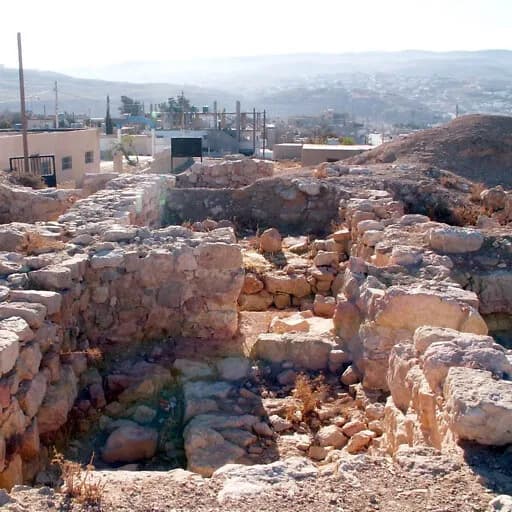
Uz is a region mentioned in 3 verses across 3 books of the Bible. Known today as Buseira.
Verses
3
Books
3
Confidence
Moderate
Coordinates
30.7458, 35.6039
Map
Loading map...
Key Verses About Uz
“whose name was Job. That man was blameless and upright”Job 1:1 (KJV)
“and all the kings of the land of the Uz”Jeremiah 25:20 (KJV)
“daughter of Edom”Lamentations 4:21 (KJV)
What Does “Uz” Mean?
עוּץ (ʻÛwts, Hebrew) — “wooded”
Uts, a son of Aram, also a Seirite, and the regions settled by them.
H5780 in Strong's Concordance →What the Commentators Say
“(1) **There was a man in the land of Uz.**—The first mention of this name is in Genesis 10:23, where Uz is said to have been one of the sons of Aram, who was one of the sons of Shem. (Comp. 1Chronicles 1:17.) Another Uz (in the Authorised Version spelt Huz) is mentioned in Genesis 22:21 as the firstborn of Nahor, the brother of Abraham. A third form of this name is mentioned in Genesis 36:28 among “the sons of Seir the Horite. who inhabited the land” of Edom. (Comp. 1Chronicles 1:42.) It is probable that each of these is to be associated with a different district: the first perhaps with that of the Lebanon—a district near Damascus is still called El-Ghutha; the second with that of Mesopotamia or Chaldea; and the third with the Edomite district south of Palestine. From the mention of “the land of Uz” (Lamentations 4:21) and “the kings of the land of Uz” (Jeremiah 25:20), where in each case the association seems to be with Edom, it is probable that the land of Job is to be identified rather with the district south and southeast of Palestine. **Whose name was Job.**—The name is really *Iyyov, *and is carefully to be distinguished from the Job (*Yov*) who was the son of Issachar (Genesis 46:13), and from the Jobab (*Yovav*) who was one of the kings of Edom (Genesis 36:33), with both of which it has been confounded. The form of the name may suggest the signification of “the assaulted one,” as the root from which it appears to be derived means “was an enemy.” **Perfect and upright . . .**—Noah in like manner is said to have been “perfect” (Genesis 6:9). Abram was required to be so (Genesis 17:1), and Israel generally (Deuteronomy 18:13), though the adjective in these places is not quite the same as that used here; and our Lord required the same high standard of His disciples (Matthew 5:48), while He also, through the gift of the Spirit, made it possible. The character here given to Job is that in which wisdom is declared to consist. (Comp. Job 28:28.) It has the twofold aspect of refusing the evil and choosing the good, of aiming at a lofty ideal of excellence and of shunning that which is fatal or opposed to it.”
Ellicott's Commentary for English Readers on Job 1:1
Bible Verses Mentioning Uz
Learn More
Nearby Biblical Places
Related Resources
Attribution
- Geographic data from OpenBible.info Bible Geocoding Data licensed under CC BY 4.0.
- Map tiles by OpenStreetMap contributors (ODbL 1.0).
- Image: Uri.