Biblical Mountain
Mount Bashan in the Bible
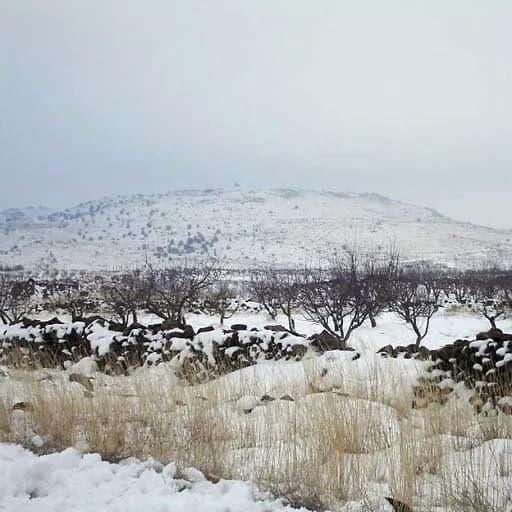
Mount Bashan is a mountain mentioned in 1 verse across 1 book of the Bible. Known today as Jebel Druze.
Verses
1
Books
1
Confidence
Very High
Coordinates
32.6667, 36.7333
Map
Loading map...
Key Verses About Mount Bashan
“The hill of God is as the hill of Bashan; an high hill as the hill of Bashan.”Psalms 68:15 (KJV)
What the Commentators Say
“**Verses 15-21** The ascension of Christ must here be meant, and thereto it is applied, Ep 4:8. He received as the purchase of his death, the gifts needful for the conversion of sinners, and the salvation of believers. These he continually bestows, even on rebellious men, that the Lord God might dwell among them, as their Friend and Father. He gave gifts to men. Having received power to give eternal life, the Lord Jesus bestows it on as many as were given him, Joh 17:2. Christ came to a rebellious world, not to condemn it, but that through him it might be saved. The glory of Zion's King is, that he is a Saviour and Benefactor to all his willing people, and a consuming fire to all that persist in rebellion against him. So many, so weighty are the gifts of God's bounty, that he may be truly said to load us with them. He will not put us off with present things for a portion, but will be the God of our salvation. The Lord Jesus has authority and power to rescue his people from the dominion of death, by taking away the sting of it from them when they die, and giving them complete victory over it when they rise again. The crown of the head, the chief pride and glory of the enemy, shall be smitten; Christ shall crush the head of the serpent.”
Matthew Henry's Concise Commentary on Psalms 68:15
“(15-18) A third retrospect follows—the third scene in the sacred drama of Israel’s early fortunes. It sets forth the glory of God’s chosen mountain. A finer passage could hardly be found. The towering ranges of Bashan—Hermon with its snowy peaks—are personified. They become, in the poet’s imagination, envious of the distinction given to the petty heights of Judæa. (Perhaps a similar envy is implied in Psalm 133:3.) The contrast between the littleness of Palestine and the vast extent of the empires which hung upon its northern and southern skirts, is rarely absent from the minds of the prophets and psalmists. (See Isaiah 49:19-20.) Here the watchful jealousy with which these powers regarded Israel is represented by the figure of the high mountain ranges watching Zion (see Note below) like hungry beasts of prey ready to spring. And what do they see? The march of God Himself, surrounded by an army of angels, from Sinai to His new abode. (15) **The hill of** **God is . . .**—Better, “Mountain of God, mount Basan; Mountain of peaks, mount Basan.” Even if the range of Hermon were not included, the *basalt *(*basanite, *probably from the locality) ranges, always rising up before the eyes of those looking eastward from Palestine, must have been doubly impressive from their superior height, and the contrast of their bold and rugged outlines with the monotonous rounded forms of the limestone hills of Judæa. And it is quite possible that, in a poetic allusion, the term “mountains of Bashan” might include all the heights to the eastward of Jordan, stretching southward as well as northward. There would then be an additional propriety in their introduction as jealously watching the march of Israel from Sinai to take possession of the promised land. Why these trans-Jordanic ranges should be styled “mountains of God” has been much discussed. Some explain the term to denote ancient seats of religious worship; others take it simply as a general term expressing grandeur—“a ridge of god-like greatness.””
Ellicott's Commentary for English Readers on Psalms 68:15
Bible Verses Mentioning Mount Bashan
Nearby Biblical Places
Related Resources
Attribution
- Geographic data from OpenBible.info Bible Geocoding Data licensed under CC BY 4.0.
- Map tiles by OpenStreetMap contributors (ODbL 1.0).
- Image: KFZI310.