Biblical Settlement
Merathaim in the Bible
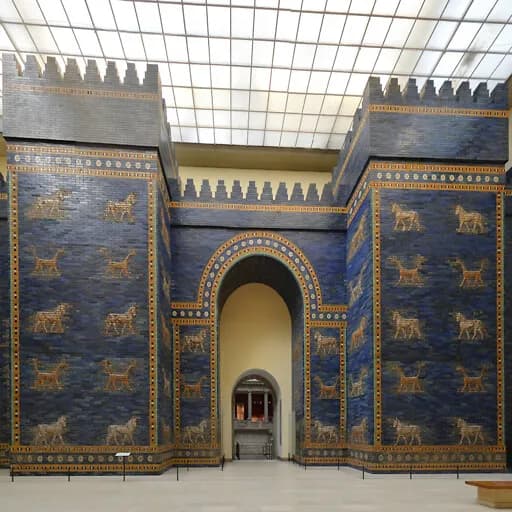
Merathaim is a settlement mentioned in 1 verse across 1 book of the Bible. Known today as Babylon.
Verses
1
Books
1
Confidence
Very High
Coordinates
32.5433, 44.4222
Map
Loading map...
Key Verses About Merathaim
“even against it”Jeremiah 50:21 (KJV)
What Does “Merathaim” Mean?
מְרָתַיִם (Mᵉrâthayim, Hebrew) — “double rebellion”
Merathajim, an epithet of Babylon
H4850 in Strong's Concordance →What the Commentators Say
“Chapter 50 The rejection of the Jews. (Is. 50:1-3) The sufferings and exaltation of the Messiah. (Is. 50:4-9) Consolation to the believer, and warning to the unbeliever. (Is. 50:10,11) **Verses 1-3** Those who have professed to be people of God, and seem to be dealt severely with, are apt to complain, as if God had been hard with them. Here is an answer for such murmurings; God never deprived any of their advantages, except for their sins. The Jews were sent into Babylon for their idolatry, a sin which broke the covenant; and they were at last rejected for crucifying the Lord of glory. God called on them to leave their sins, and prevent their own ruin. Last of all, the Son came to his own, but his own received him not. When God calls men to happiness, and they will not answer, they are justly left to be miserable. To silence doubts concerning his power, proofs of it are given. The wonders which attended his sufferings and death, proclaimed that he was the Son of God, Matt. 27:54.”
Matthew Henry's Concise Commentary on Jeremiah 50:21
“(21) **Go up against the land of Merathaim.—**No such name is found in Babylonian inscriptions or is mentioned by historians. The most probable explanation of its use is that the prophet coined it as a descriptive word (= land of two rebellions), and then substituted it, after his manner (as with Sheshach, Jeremiah 25:6; Magor-missabib, Jeremiah 20:3), for the name Aram-Naharaim (= land of the two rivers = Mesopotamia), which was, as in Genesis 24:10; Deuteronomy 23:4; Judges 3:8; Judges 3:10, the recognised name of the country between the Tigris and Euphrates. It was, he seems to say, the country, not of rivers, but of rebellions, choosing the dual form, partly for the sake of assonance, partly to express the fact that Babylon having rebelled against Assyria, as, *e.g., *Merodach-baladan (Isaiah 39:1) and Nabopolassar had done, had also rebelled against Jehovah. Possibly, however, the dual may simply express intensity. Such changes of names were quite after the manner of Old Testament usage. So Beth-aven was substituted for Bethel (Hosea 10:5), Mephibosheth for Meribbaal (2Samuel 4:4; 1Chronicles 8:34). Micah 1 is full of such paronomasiae. **Against the inhabitants of Pekod.**—Here we have a name which is found in Ezekiel 23:23 and in inscriptions as that of a Babylonian town, as in a list of rebels, and in the form *Bukudu, *as in the Cylinder of Sennacherib (*Records of the Past, *i. 26), and is the name of a city, *Nahar-Pekod, *mentioned in the Talmud (Fürst, *Lex. s.v., *and Neubauer, *Géog. du Talm., *p. 363). We can scarcely doubt, however, that the prophet chose this name for the sake of its meaning, “visitation.” It was necessary to find a word to be at once *nomen et omen *for the guilt of Babylon. There was one ready at hand applicable to its punishment. **Waste and utterly destroy.**—Better, *slay and devote to destruction. *The latter verb is connected with the Hebrew *Cherem, *which expressed, as in Deuteronomy 7:26; Joshua 7:13, the idea of a solemn anathema.”
Ellicott's Commentary for English Readers on Jeremiah 50:21
Bible Verses Mentioning Merathaim
Learn More
Nearby Biblical Places
Related Resources
Attribution
- Geographic data from OpenBible.info Bible Geocoding Data licensed under CC BY 4.0.
- Map tiles by OpenStreetMap contributors (ODbL 1.0).
- Image: Radomir Vrbovsky.