Biblical Settlement
Madmen in the Bible
Madmen is a settlement mentioned in 1 verse across 1 book of the Bible. Known today as Dimnah.
Verses
1
Books
1
Confidence
Moderate
Coordinates
31.2918, 35.7048
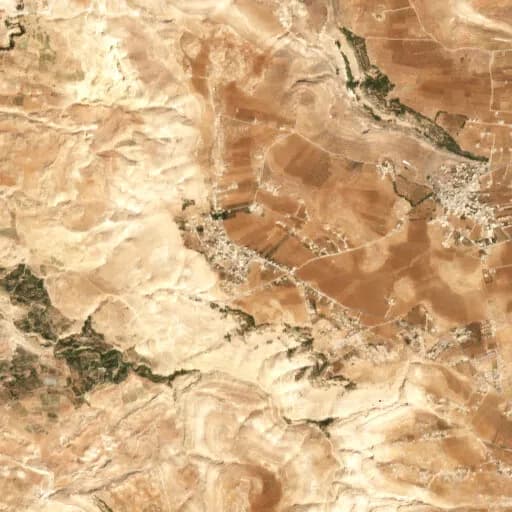
Map
Loading map...
Key Verses About Madmen
“and let us cut her off from being a nation. You also”Jeremiah 48:2 (KJV)
What Does “Madmen” Mean?
What the Commentators Say
“Chapter 48 The Jews reproved for their idolatry. (Is. 48:1-8) Yet deliverance is promised them. (Is. 48:9-15) Solemn warnings of judgment upon those who persisted in evil. (Is. 48:16-22) **Verses 1-8** The Jews valued themselves on descent from Jacob, and used the name of Jehovah as their God. They prided themselves respecting Jerusalem and the temple, yet there was no holiness in their lives. If we are not sincere in religion, we do but take the name of the Lord in vain. By prophecy they were shown how God would deal with them, long before it came to pass. God has said and done enough to prevent men's boasting of themselves, which makes the sin and ruin of the proud worse; sooner or later every mouth shall be stopped, and all become silent before Him. We are all born children of disobedience. Where original sin is, actual sin will follow. Does not the conscience of every man witness to the truth of Scripture? May the Lord prove us, and render us doers of the word.”
Matthew Henry's Concise Commentary on Jeremiah 48:2
“(2) **There shall be no more praise of Moab.—**The self-glorifying boasts of Moab (of which the Moabite Inscription discovered at Dibân in 1868 is a conspicuous instance, see Ginsburg’s *Moabite Stone *and *Records of the Past, xi.* p. 163) seem to have been almost proverbial (Jeremiah 48:29; Isaiah 16:6). Heshbon (the city is perhaps chosen on account of the similarity of sound with the word for “devise “) was on the Ammonite or northern frontier of Moab (Jeremiah 49:3), and is represented therefore as the scene of the plans and hopes of the invading Chaldæans. The site of Madmen is unknown, but the cognate form Madmenah is translated “dunghill” in Isaiah 25:10, and may have been chosen by each prophet on account of its ignominious meaning. The name appears as belonging to a town in Benjamin (Isaiah 10:31) and in Judah (Joshua 15:31). Here again there is an obvious assonance or paronomasia, the verb “thou shalt be cut down,” or better, *thou shalt be brought to silence, *reproducing the chief consonants of the noun. The LXX., Vulgate, and Syriac, indeed, take the words with this meaning, “In silence thou shalt be made silent,” but are probably wrong in doing so. If we take the word in somewhat of the same sense as in Isaiah, the words may point to the place being filled with the mouldering carcases of the silent dead.”
Ellicott's Commentary for English Readers on Jeremiah 48:2
Bible Verses Mentioning Madmen
Nearby Biblical Places
Related Resources
Attribution
- Geographic data from OpenBible.info Bible Geocoding Data licensed under CC BY 4.0.
- Map tiles by OpenStreetMap contributors (ODbL 1.0).
- Image: Contains modified Copernicus Sentinel data 2019.