Biblical Settlement
Hushah in the Bible
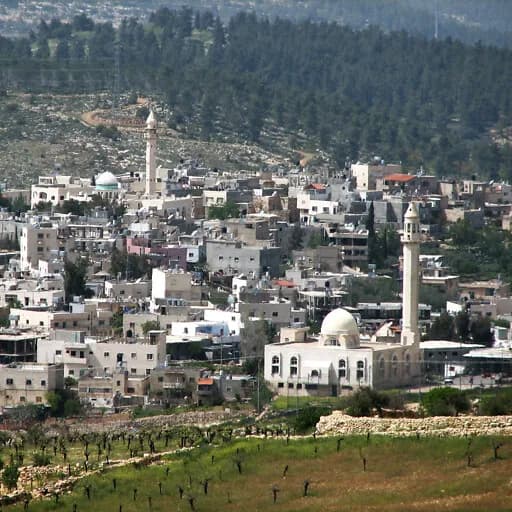
Hushah is a settlement mentioned in 6 verses across 2 books of the Bible. Known today as Husan.
Verses
6
Books
2
Confidence
Moderate
Coordinates
31.7118, 35.1324
Map
Loading map...
Key Verses About Hushah
“that there was again war with the Philistines at Gob: then Sibbecai the Hushathite killed Saph”2 Samuel 21:18 (KJV)
“Mebunnai the Hushathite”2 Samuel 23:27 (KJV)
“and Ezer the father of Hushah. These are the sons of Hur”1 Chronicles 4:4 (KJV)
“Ilai the Ahohite”1 Chronicles 11:29 (KJV)
“that there arose war at Gezer with the Philistines: then Sibbecai the Hushathite killed Sippai”1 Chronicles 20:4 (KJV)
What Does “Hushah” Mean?
What the Commentators Say
“Chapter 21 Chapter Outline David with Ahimelech.(1-9) David at Gath feigns himself mad.(10-15) **Verses 1-9** David, in distress, fled to the tabernacle of God. It is great comfort in a day of trouble, that we have a God to go to, to whom we may open our cases, and from whom we may ask and expect direction. David told Ahimelech a gross untruth. What shall we say to this? The Scripture does not conceal it, and we dare not justify it; it was ill done, and proved of bad consequence; for it occasioned the death of the priests of the Lord. David thought upon it afterward with regret. David had great faith and courage, yet both failed him; he fell thus foully through fear and cowardice, and owing to the weakness of his faith. Had he trusted God aright, he would not have used such a sorry, sinful shift for his own preservation. It is written, not for us to do the like, no, not in the greatest straits, but for our warning. David asked of Ahimelech bread and a sword. Ahimelech supposed they might eat the shew-bread. The Son of David taught from it, that mercy is to be preferred to sacrifice; that ritual observances must give way to moral duties. Doeg set his foot as far within the tabernacle as David did. We little know with what hearts people come to the house of God, nor what use they will make of pretended devotion. If many come in simplicity of heart to serve their God, others come to observe their teachers and to prove accusers. Only God and the event can distinguish between a David and a Doeg, when both are in the tabernacle. (1Sa 21:10-15)”
Matthew Henry's Concise Commentary on 2 Samuel 21:18
“(18) **At Gob.**—Comp. 2Samuel 21:19. The place is otherwise unknown. 1Chronicles 20:4 reads “Gezer,” and the LXX. substitutes “Gath.” (Comp. 2Samuel 21:20.) It is not at all remarkable that the names of many small places should be lost after the lapse of three thousand years, nor that the locality of the hamlet should be marked in the later chronicles by the better known neighbouring town of Gezer. **Sibbechai the Hushathite.**—Comp. 1Chronicles 20:4*. *He is also mentioned in the list of heroes (1Chronicles 11:29); but in 2Samuel 23:27 the name is changed into “Mebunnai the Hushathite by a slight alteration in the letters of the original. He was captain of the eighth division of the army (1Chronicles 26:11). The giant whom he slew is called “Sippai” in the parallel place in Chronicles, and it is there said that the Philistines were subdued.”
Ellicott's Commentary for English Readers on 2 Samuel 21:18
Bible Verses Mentioning Hushah
Learn More
Nearby Biblical Places
Related Resources
Attribution
- Geographic data from OpenBible.info Bible Geocoding Data licensed under CC BY 4.0.
- Map tiles by OpenStreetMap contributors (ODbL 1.0).
- Image: Gilabrand.