Biblical Settlement
Dinhabah in the Bible
Dinhabah is a settlement mentioned in 2 verses across 2 books of the Bible. Known today as Khirbet el Muhatta.
Verses
2
Books
2
Confidence
Unknown
Coordinates
31.7985, 35.7224
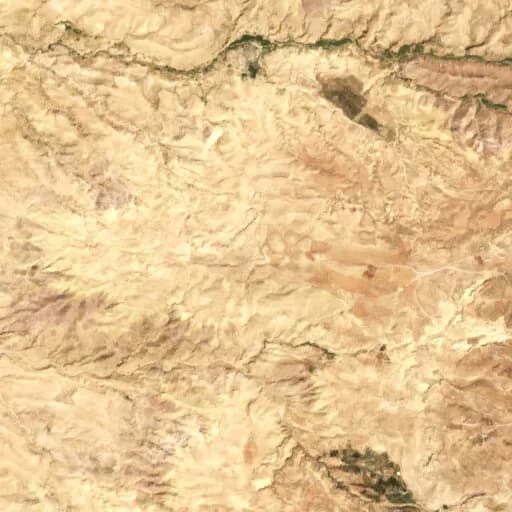
Map
Loading map...
Key Verses About Dinhabah
“the son of Beor”Genesis 36:32 (KJV)
“before there resigned any king over the children of Israel: Bela the son of Beor; and the name of his city was Dinhabah.”1 Chronicles 1:43 (KJV)
What the Commentators Say
“Chapter 36 Esau and his descendants. --The registers in this chapter show the faithfulness of God to his promise to Abraham. Esau is here called Edom, that name which kept up the remembrance of his selling his birth-right for a mess of pottage. Esau continued the same profane despiser of heavenly things. In outward prosperity and honour, the children of the covenant are often behind, and those that are out of the covenant get the start. We may suppose it a trial to the faith of God's Israel, to hear of the pomp and power of the kings of Edom, while they were bond-slaves in Egypt; but those that look for great things from God, must be content to wait for them; God's time is the best time. Mount Seir is called the land of their possession. Canaan was at this time only the land of promise. Seir was in the possession of the Edomites. The children of this world have their all in hand, and nothing in hope, Lu 16:25; while the children of God have their all in hope, and next to nothing in hand. But, all things considered, it is beyond compare better to have Canaan in promise, than mount Seir in possession.”
Matthew Henry's Concise Commentary on Genesis 36:32
“(43-54) The ancient kings and chiliarchs of Edom, a transcript of Genesis 36:31-43, with only such differences as are incidental to transcribing. (43) **Before any king reigned over the children of Israel.**—Comp. Numbers 20:14-21, the message of Moses to the king of Edom, asking for a free passage for Israel through his domains. As the older people, and as having been earlier established in its permanent home, Edom was naturally a stage beyond Israel in political development. Unhappily brief as it is, this notice is very appropriately inserted here in an introduction to the history of the kings of the house of David. **Bela the son of Beor.**—Curiously like “Balaam the son of Beor,” Numbers 22:5. In Hebrew, Bela and Balaam are essentially similar words, the terminal m of the latter being possibly a mere formative. (Perhaps, however, Balaam—Heb. *Bil’am =* “Bel is a kinsman”) comp. Eliam. The prophet whose strange story is read in Numbers 22-24 may, like Isaiah, have been of royal extraction. **Dinhabah.**—*Doom-giving,* that is, the place where the king gave judgment (1Samuel 8:5).”
Ellicott's Commentary for English Readers on 1 Chronicles 1:43
Bible Verses Mentioning Dinhabah
Learn More
Nearby Biblical Places
Related Resources
Attribution
- Geographic data from OpenBible.info Bible Geocoding Data licensed under CC BY 4.0.
- Map tiles by OpenStreetMap contributors (ODbL 1.0).
- Image: Contains modified Copernicus Sentinel data 2019.