Biblical Settlement
Cun in the Bible
Cun is a settlement mentioned in 1 verse across 1 book of the Bible. Known today as Ras Baalbek.
Verses
1
Books
1
Confidence
Moderate
Coordinates
34.2597, 36.4236
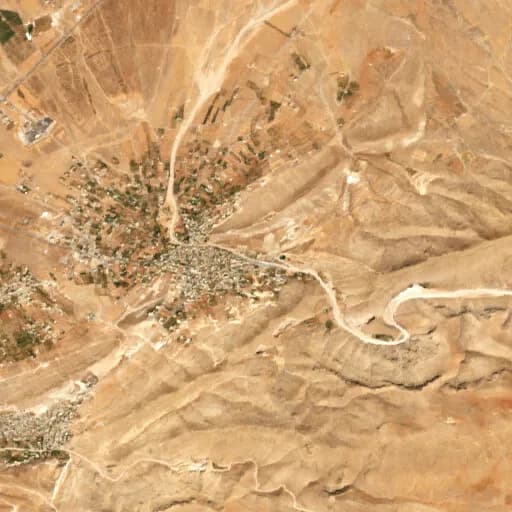
Map
Loading map...
Key Verses About Cun
“cities of Hadarezer”1 Chronicles 18:8 (KJV)
What the Commentators Say
“Chapter 18 Chapter Outline Good reign of Hezekiah in Judah, Idolatry.(1-8) Sennacherib invades Judah.(9-16) Rabshakeh's blasphemies.(17-37) **Verses 1-8** Hezekiah was a true son of David. Some others did that which was right, but not like David. Let us not suppose that when times and men are bad, they must needs grow worse and worse; that does not follow: after many bad kings, God raised one up like David himself. The brazen serpent had been carefully preserved, as a memorial of God's goodness to their fathers in the wilderness; but it was idle and wicked to burn incense to it. All helps to devotion, not warranted by the word of God, interrupt the exercise of faith; they always lead to superstition and other dangerous evils. Human nature perverts every thing of this kind. True faith needs not such aids; the word of God, daily thought upon and prayed over, is all the outward help we need.”
Matthew Henry's Concise Commentary on 1 Chronicles 18:8
“(8) **Tibhath, and . . . Chun.**—Two unknown places. The names in Samuel are Betah and Berothai. Tebah occurs as an Aramean name in Genesis 22:24, of which “Tibhath” is a feminine form, and “Betah” probably a corruption. Syriac, “Tĕbah” and “Bĕrûthi” in both places. So Arabic of Samuel, “Tābāh” and “Barûti” (here “Himsa” and “Baalbec,” probably by way of an explanation). The readings of the LXX., “Metebak” (or Masbach) in Samuel, and “Matebeth” here, support Tebah. Vulgate in Samuel, “Bete,” but here “Thebath,” obviously equivalent *to* Tibhath. “Chun” is doubtless corrupt. All the versions support “Berothai” (LXX., “chosen cities;” comp. Heb., *bārôth*) except Arabic and Vulg. here. **Much** **brass.**—*Copper* (as Job 28:2), or *bronze* (an alloy of copper and tin, which was well known to the ancients). Samuel, “copper in abundance” (*harbēh*)*,* an older form of expression. **Wherewith Solomon made** **. . .**—Not in the Hebrew of Samuel, though LXX. adds it.”
Ellicott's Commentary for English Readers on 1 Chronicles 18:8
Bible Verses Mentioning Cun
Nearby Biblical Places
Related Resources
Attribution
- Geographic data from OpenBible.info Bible Geocoding Data licensed under CC BY 4.0.
- Map tiles by OpenStreetMap contributors (ODbL 1.0).
- Image: Contains modified Copernicus Sentinel data 2019.