Biblical Settlement
Beersheba 2 in the Bible
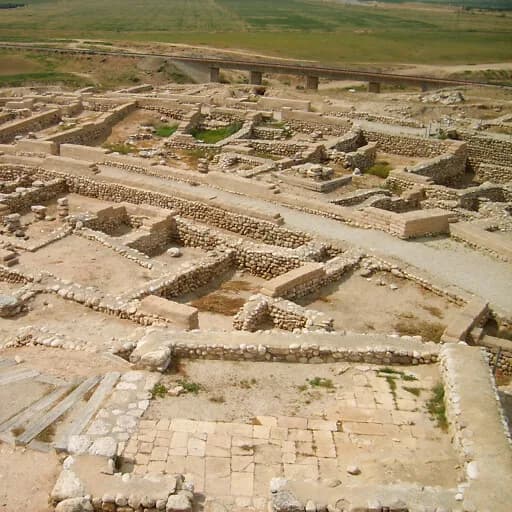
Beersheba 2 is a settlement mentioned in 10 verses across 1 book of the Bible. Known today as Tel Beer Sheva.
Verses
10
Books
1
Confidence
Moderate
Coordinates
31.2447, 34.8408
Map
Loading map...
Key Verses About Beersheba 2
“and took bread and a bottle of water”Genesis 21:14 (KJV)
“{Beersheba can mean well of the oath or well of seven.} because they both swore there.”Genesis 21:31 (KJV)
“the captain of his army”Genesis 21:32 (KJV)
“and called there on the name of Yahweh”Genesis 21:33 (KJV)
“and they rose up and went together to Beersheba. Abraham lived at Beersheba.”Genesis 22:19 (KJV)
What the Commentators Say
“**Verses 14-21** If Hagar and Ishmael had behaved well in Abraham's family, they might have continued there; but they were justly punished. By abusing privileges, we forfeit them. Those who know not when they are well off, will be made to know the worth of mercies by the want of them. They were brought to distress in the wilderness. It is not said that the provisions were spent, or that Abraham sent them away without money. But the water was spent; and having lost their way, in that hot climate Ishmael was soon overcome with fatigue and thirst. God's readiness to help us when we are in trouble, must not slacken, but quicken our endeavours to help ourselves. The promise concerning her son is repeated, as a reason why Hagar should bestir herself to help him. It should engage our care and pains about children and young people, to consider that we know not what great use God has designed them for, and may make of them. The angel directs her to a present supply. Many who have reason to be comforted, go mourning from day to day, because they do not see the reason they have for comfort. There is a well of water near them in the covenant of grace, but they are not aware of it, till the same God that opened their eyes to see their wound, opens them to see their remedy. Paran was a wild place, fit for a wild man; such as Ishmael. Those who are born after the flesh, take up with the wilderness of this world, while the children of the promise aim at the heavenly Canaan, and cannot be at rest till they are there. Yet God was with the lad; his outward welfare was owing to this.”
Matthew Henry's Concise Commentary on Genesis 21:14
“(14) **And the child.**—Ishmael was now sixteen or seventeen years of age, but the word *yeled *used in this place has no reference to age, and in Genesis 4:23 is even translated “young man.” It literally signifies *one born, *and is applied in Genesis 42:22 to Joseph, when he was about Ishmael’s age. So the “children who mocked Elisha” (2Kings 2:23) were doubtless grown young men. In Genesis 21:18, Ishmael is called “a lad;” shortly afterwards he was able to maintain himself and Hagar with his bow (Genesis 21:20), and his mother took a wife for him from Egypt (Genesis 21:21). The narrative, therefore, does not represent Ishmael as a small child, and the idea has probably arisen from the supposition that Abraham placed Ishmael, as well as the supply of food, on Hagar’s shoulder.** She departed, and wandered.**—Her dismissal had come upon Hagar suddenly, and so she had no plan or purpose, but went hither and thither till the water in the skin was spent. **The wilderness of Beer-sheba.**—As yet this region had no name (see Genesis 21:31). It lay about twenty Roman miles or more below Hebron, and was the most southerly part of Palestine, while beyond it lay the vast desert of Et-Tih, of which the wilderness of Beer-sheba formed a part. Gerar, which place Abraham had now evidently left, was situated upon the western side of Beer-sheba, but at no great distance from it. (Seo Genesis 21:22; Genesis 26:26.)”
Ellicott's Commentary for English Readers on Genesis 21:14
Bible Verses Mentioning Beersheba 2
Learn More
Nearby Biblical Places
Related Resources
Attribution
- Geographic data from OpenBible.info Bible Geocoding Data licensed under CC BY 4.0.
- Map tiles by OpenStreetMap contributors (ODbL 1.0).
- Image: gugganij.